In today’s digital landscape, memes have become more than just funny images shared among friends. They are powerful tools for social media engagement, brand storytelling, and even humor marketing campaigns that resonate with audiences worldwide. From the viral “Distracted Boyfriend” to trending TikTok memes, understanding how to create and leverage memes can make the difference between your content being ignored or going viral.
This guide will explore meme content creation in depth, offering tips, strategies, and tools for both beginners and seasoned marketers. By the end, you’ll understand how to craft memes that not only entertain but also enhance your brand presence.
What Is Meme Content Creation?
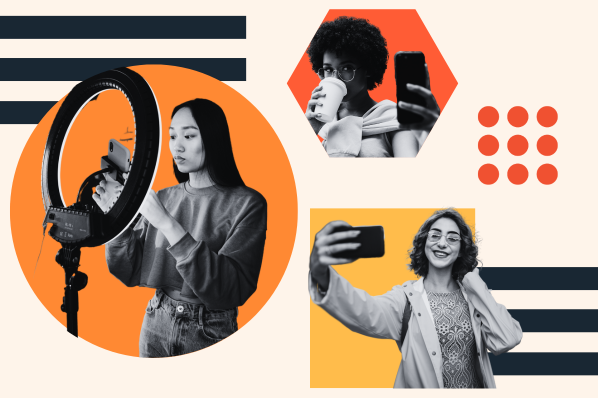
At its core, meme content creation involves designing, curating, and sharing content that combines humour, relatability, and cultural relevance. Memes often feature images, videos, or GIFs paired with text that delivers a punchline or commentary on a topic. Originally emerging from internet forums in the early 2000s, memes have evolved into a global form of digital communication. For marketers, memes are particularly valuable because they can simplify complex messages, evoke emotional responses, and drive engagement in a way traditional content often cannot.Why Meme Content Is Important for Engagement
Memes are uniquely effective at grabbing attention in crowded social feeds. They rely on relatability and often use humour to connect with audiences instantly. This makes them ideal for:- Increasing Engagement: Memes encourage shares, likes, and comments because people relate to them and want to share the humour with friends.
- Humanising Your Brand: Humorous memes reflect a brand’s personality, making companies appear more approachable and relatable.
- Boosting Reach: Viral memes can spread organically, increasing visibility without heavy advertising spend.
- Supporting Humor Marketing Campaigns: Strategic use of memes in humor marketing helps brands convey messages in a memorable and light-hearted way.
How to Create Effective Meme Content
Creating memes that resonate with your audience is both an art and a science. A well-crafted meme can increase engagement, enhance brand personality, and even go viral. Here’s how to approach meme content creation strategically:1. Understand Your Audience
Before creating any meme, you need to know who you’re speaking to. Memes work best when they connect directly to the audience’s experiences, humour, or interests.- Analyse Demographics: Age, location, social platform preference, and interests all shape the type of humour that will resonate.
- Monitor Trends: Follow trending hashtags, viral memes, and discussions on platforms like TikTok, Instagram, and Twitter.
- Engagement Patterns: Look at what your followers like, share, or comment on—this provides insight into the humour styles they enjoy.
2. Choose the Right Meme Format
Selecting the proper viral formats is crucial for your meme to be shareable and engaging. Popular meme formats include:- Image Macros: Classic memes with top-and-bottom text. Examples: “Success Kid” or “Distracted Boyfriend.”
- Reaction Memes: Express emotions or reactions to relatable situations. Often used in social comments.
- GIF Memes: Short animated loops that convey humour or emotion. Ideal for TikTok, Instagram Stories, or Twitter.
- Template-Based Memes: Pre-made formats trending online. Brands can adapt these with their own messaging.
3. Use Humour Strategically
Humour is the essence of meme content, but it must align with your brand. Poorly executed humour can alienate audiences.- Stay On-Brand: Ensure the joke or reference reflects your brand’s personality.
- Avoid Controversy: Steer clear of politically sensitive topics or offensive jokes.
- Keep It Relatable: Memes work best when audiences see themselves in the scenario.
4. Make It Visually Clear and Readable
Memes are consumed quickly. The visuals and text must be instantly understandable.- Text Placement: Use clear, readable fonts and place text where it’s easy to see.
- Contrast: Ensure text contrasts with the background.
- Keep it Simple: Avoid overcrowding images—focus on one joke or idea per meme.
5. Incorporate Brand Personality
Memes are a subtle yet effective way to showcase your brand personality. This is especially important in humor marketing campaigns.- Use your brand’s tone of voice—whether witty, sarcastic, or wholesome.
- Include visual elements like logos or colours subtly.
- Ensure the meme aligns with your overall marketing strategy.
6. Test, Analyse, and Iterate
Even experienced creators won’t get every meme right. Testing and analysis are key:- A/B Testing: Post variations of the same meme to see which format or joke performs better.
- Engagement Metrics: Track likes, shares, comments, and reach.
- Audience Feedback: Encourage followers to comment or share their thoughts—this provides insights for future memes.
7. Stay Current with Trends
The digital world moves fast, and meme trends evolve constantly. To keep your content relevant:- Follow meme-focused accounts, hashtags, and trend aggregators.
- Be ready to adapt trending viral formats for your brand messaging
- Avoid recycling memes that are outdated—it can make your brand seem out-of-touch.
Best Tools for Meme Creation
The right tools make meme creation easier, faster, and more effective. Here are some of the best options to craft engaging memes using humor marketing and trending viral formats.1. Canva
Canva is a versatile design platform suitable for both beginners and professionals. It offers a massive library of templates, images, and fonts, making it easy to create visually appealing memes quickly. Users can customise text, colours, and even add brand logos, making it ideal for campaigns that focus on humor marketing. Memes can be exported directly to social media platforms while maintaining high quality, saving time for marketers.2. Imgflip Meme Generator
Imgflip is a popular online meme generator that allows fast creation using ready-made templates. Users can customise text, change fonts, and share memes instantly on social networks. Imgflip is perfect for quickly leveraging trending viral formats, especially for marketers or creators who want to respond to trends without advanced design skills.3. Kapwing
Kapwing is an excellent tool for creating video memes and GIFs. It allows users to edit video clips, add animated text, and apply effects easily. This tool is ideal for platforms like TikTok and Instagram Reels, where animated memes drive higher engagement. Using Kapwing, marketers can incorporate their brand elements into trending viral formats, ensuring content is both fun and shareable.4. Adobe Photoshop
Photoshop is a professional-grade tool that provides full control over every aspect of meme creation, from images to text and visual effects. It’s ideal for creators who want fully customised, high-quality memes, whether static or animated. With Photoshop, brands can implement humor marketing in a more sophisticated way and create unique meme templates aligned with their identity.5. GIPHY Create
GIPHY Create is a tool for making GIF memes from videos or images. It’s perfect for reaction memes or short comedic loops that can be shared widely across social media. GIPHY helps amplify meme reach visually, making trending viral formats more interactive and engaging for audiences.6. Meme Generator Apps (Mobile)
Mobile meme apps, such as Meme Generator Free, Mematic, and Memedroid, allow users to create memes directly from their smartphones. They let users use camera photos or gallery images, add text, and generate memes quickly. These apps are ideal for real-time content creation during trending events, helping brands and creators produce memes instantly using viral formats and humor marketing strategies.Tips for Making Memes Go Viral
Creating a viral meme involves more than luck. Successful meme campaigns are deliberate and strategic. Consider these tips:- Follow Trends: Track trending memes on social platforms to identify relevant themes.
- Timing Matters: Share content when your audience is most active.
- Platform Optimisation: Tailor your meme formats for Instagram, TikTok, Twitter, or LinkedIn.
- Encourage Sharing: Use calls-to-action subtly, e.g., “Tag a friend who can relate.”
- Keep It Simple: Memes should communicate an idea instantly; avoid complex messages.
Measuring the Success of Your Meme Content
Tracking your meme performance is crucial for continuous improvement. Key metrics include:- Engagement Rate: Likes, shares, and comments indicate audience interaction.
- Reach and Impressions: Measure how many people saw your meme.
- Virality Score: Number of shares relative to views.
- Follower Growth: Memes can attract new followers if they resonate.
- Platform-Specific Analytics: Use tools like Instagram Insights, TikTok Analytics, and Twitter Analytics for detailed insights.
Conclusion:
Meme content creation is more than just humour — it’s a powerful tool for engagement, brand personality, and digital marketing success. By understanding your audience, using the right viral formats, and applying strategic humor marketing, you can create memes that entertain, connect, and even go viral. Whether you’re a beginner experimenting with templates or a professional aiming for high-quality, branded memes, the key is to stay creative, consistent, and aware of trends. For businesses looking to elevate their content strategy and produce impactful, engaging memes, Above-Quality is the go-to marketing and content writing company, offering expert guidance and premium content solutions tailored for maximum reach and engagement. Start experimenting with memes today, and let your brand speak with humour, creativity, and authenticity.