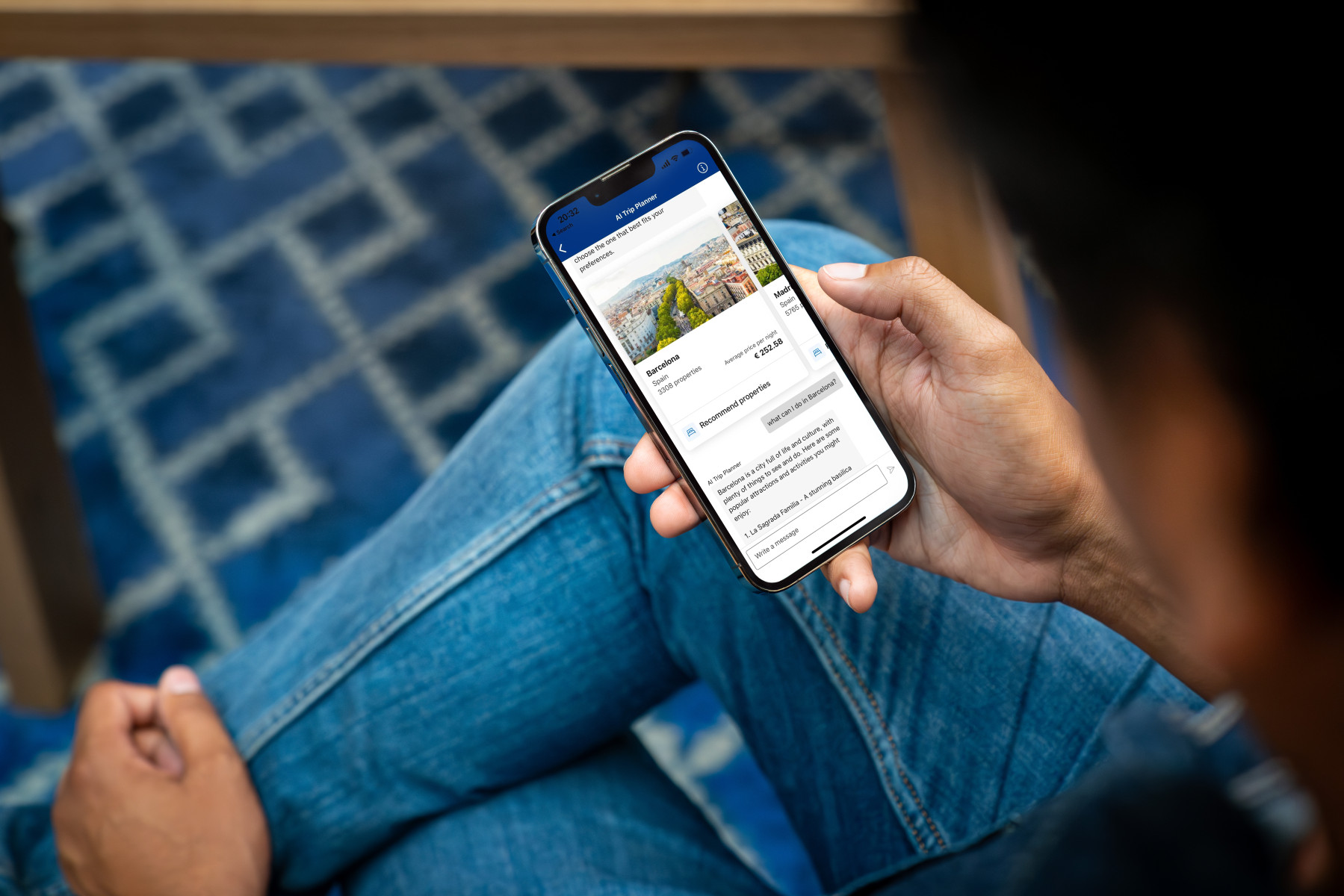
In today’s fast-paced digital world, customers expect convenience at their fingertips. One of the most effective ways for businesses to meet this expectation is through booking apps, including reservation apps and scheduling apps, which streamline appointments, reservations, and service bookings. Whether you run a hotel, salon, clinic, or travel agency, a well-developed booking app can significantly enhance customer experience, increase efficiency, and improve operational management.
Developing a booking app is not just about coding and launching an app—it involves strategic planning, choosing the right technology stack, designing user-friendly interfaces, and integrating robust functionalities that meet industry standards. This guide provides a comprehensive overview of booking app development, offering insights into the process, features, costs, and best practices. By the end, you’ll understand how to build a booking app that not only serves your customers but also positions your business as a leader in its industry.


Understanding Booking Apps
Booking apps are software solutions that allow users to schedule appointments, book services, or reserve products online. They have transformed how businesses operate, providing convenience for both customers and service providers.Types of Booking Apps
- Reservation Apps – Designed for industries like restaurants, hotels, and event management, reservation apps enable customers to secure tables, rooms, or tickets in advance, reducing wait times and optimising occupancy.
- Scheduling Apps – Popular among healthcare providers, beauty salons, and service-based businesses, scheduling apps help manage appointments efficiently, send automated reminders, and reduce no-shows.
- Hybrid Booking Solutions – Many modern businesses require apps that combine reservation and scheduling functionalities, catering to a wider audience while maintaining flexibility.
- 24/7 accessibility for customers
- Streamlined workflow and reduced administrative burden
- Improved customer retention and satisfaction
- Real-time updates and notifications
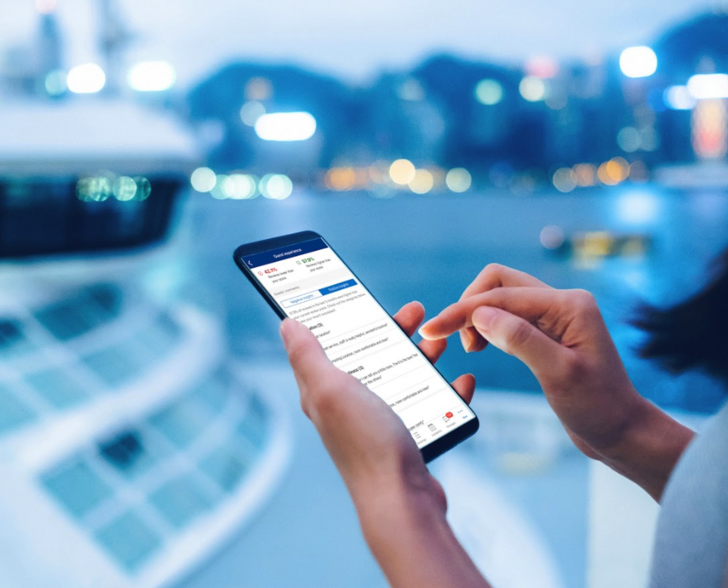
Features of a Successful Booking App
Developing a robust booking app requires integrating features that provide value to both users and business owners. Here’s a detailed breakdown:Core Features
- User Registration & Profiles – Allows customers to create accounts, manage bookings, and access personalised services.
- Booking Calendar & Availability – Displays available slots in real time, preventing double bookings.
- Payment Gateway Integration – Secure in-app payments for a smooth transaction experience.
- Notifications & Reminders – Push notifications and emails keep users informed about upcoming appointments or reservations.
- Admin Panel – Enables business owners to monitor bookings, manage staff schedules, and generate reports.
- Analytics & Reporting – Provides insights into user behaviour, popular time slots, and revenue trends.
Advanced Features
- Multi-language & Multi-currency Support – Essential for businesses serving international customers.
- AI-Powered Recommendations – Suggests suitable time slots or services based on customer history.
- Loyalty Program Integration – Encourages repeat business through rewards and offers.
- Integration with CRM Systems – Facilitates personalised marketing and customer relationship management.
Booking App Development Process
Creating a booking app involves several stages, each critical to delivering a functional, reliable, and user-friendly application.Step 1: Market Research & Requirement Analysis
- Understand your target audience and their needs.
- Identify competitors’ strengths and weaknesses in reservation apps and scheduling apps.
- Define key functionalities and app objectives.
Step 2: UI/UX Design & Prototyping
- Design an intuitive user interface that simplifies booking processes.
- Create wireframes and prototypes to visualise workflows.
- Ensure the app is accessible and visually appealing across devices.
Step 3: Choosing the Right Technology Stack
- Mobile frameworks: React Native, Flutter for cross-platform apps; Swift (iOS), Kotlin (Android) for native apps.
- Backend: Node.js, Django, Laravel for scalable server-side solutions.
- Databases: MySQL, PostgreSQL, Firebase for storing bookings, user data, and payment information.
- Cloud & hosting: AWS, Google Cloud, Azure for reliability and scalability.
Step 4: Development & Integration
- Frontend development for seamless user interactions.
- Backend development for data processing, booking management, and API integration.
- Integrate payment gateways, push notifications, and third-party services like Google Calendar or CRM tools.
Step 5: Testing & Quality Assurance
- Perform functional, usability, and security testing.
- Test app performance under high traffic conditions.
- Ensure compliance with privacy laws, such as GDPR, for customer data protection.
Step 6: Deployment & Maintenance
- Launch the app on the Apple App Store and Google Play Store.
- Monitor performance, collect user feedback, and provide regular updates.
- Maintain server infrastructure and ensure uptime reliability.
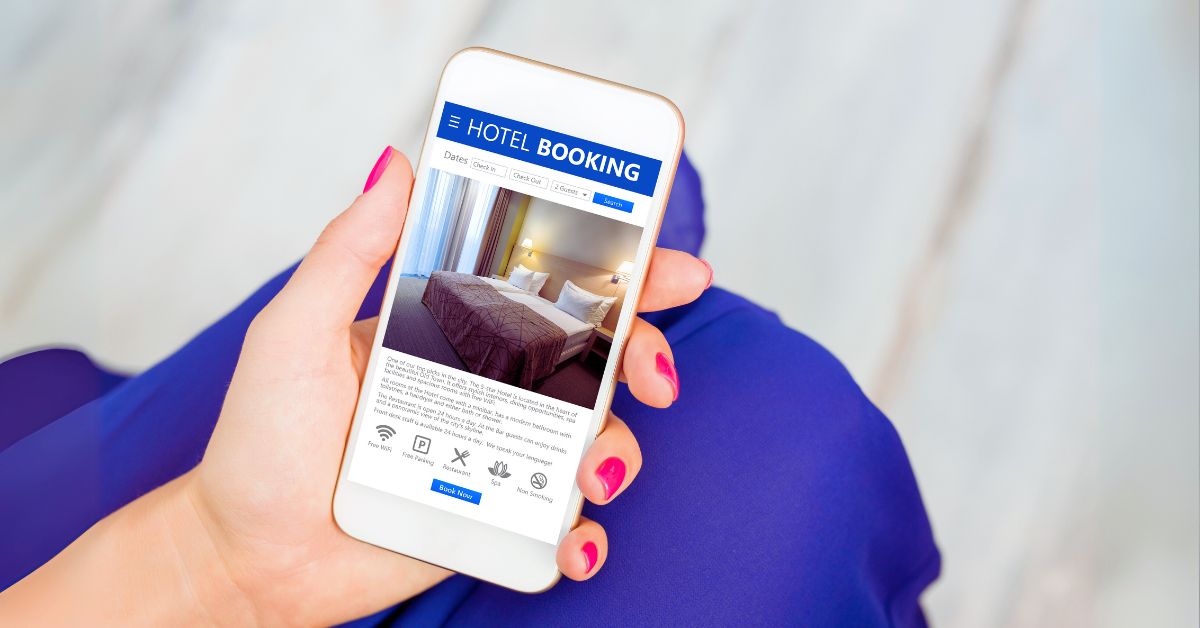
Technologies Used in Booking App Development
Choosing the right technology stack is essential for scalability, performance, and user experience.Mobile Frameworks
- React Native: Allows cross-platform development, reducing cost and time.
- Flutter: Ideal for visually rich apps with smooth performance.
- Swift & Kotlin: For native apps offering high performance and deep device integration.
Backend Technologies
- Node.js: Handles real-time bookings efficiently.
- Python Django: Robust framework for complex business logic.
- Laravel: PHP-based, easy to integrate with databases and payment systems.
Databases
- MySQL & PostgreSQL: Reliable for structured data.
- Firebase: Cloud-based, real-time database for instant updates.
Cloud & Hosting Services
- AWS, Azure, Google Cloud: Ensure app reliability, security, and scalability.
Best Practices for Booking App Success
To ensure your booking app thrives, follow these best practices:- User-Friendly Interface: Keep booking steps simple and intuitive.
- Security & Data Protection: Use SSL encryption, secure payment gateways, and comply with privacy laws.
- Customer Support Integration: Offer live chat, FAQs, and support channels to enhance reliability.
- Marketing & App Store Optimisation: Use targeted campaigns, SEO-friendly app descriptions, and encourage positive reviews.
- Continuous Improvement: Regularly update features based on analytics and customer feedback.
FAQs
Q1: How long does it take to develop a booking app?
Typically, it takes 3–6 months for basic apps and up to a year for complex, multi-platform solutions.Q2: Can I develop a booking app without coding experience?
Yes, using no-code platforms like AppyPie, Glide, or Adalo, though custom features may require professional developers.Q3: Which is better: native or cross-platform apps?
Native apps offer higher performance and device integration. Cross-platform apps are cost-effective for multi-platform deployment.Q4: How can I monetise my booking app?
Subscription models, commission fees, premium features, or ads are common monetisation strategies.Conclusion
Booking apps, whether reservation apps for restaurants and hotels or scheduling apps for clinics and salons, are essential tools for modern businesses. They enhance customer experience, optimise operations, and provide valuable insights into business performance. Developing a successful booking app requires strategic planning, selecting the right technology stack, implementing user-friendly features, and maintaining ongoing support. By following best practices, businesses can deliver seamless experiences, increase customer loyalty, and maintain a competitive edge. For those seeking expert guidance in booking app development, working with experienced developers ensures your app meets industry standards, integrates the latest technologies, and evolves with customer needs. Investing in a robust booking app is more than a technological upgrade—it’s a step toward transforming your business into a customer-centric, efficient, and future-ready enterprise. call us know