


Content Calendar Creation: Your Complete Guide to Smarter Scheduling and Publishing in 2025
November 10, 2025
/
Content Calendar Creation: Your Complete Guide to Smarter Scheduling and Publishing in 2025
In today’s competitive digital landscape, success on social media isn’t about posting more — it’s about posting strategically.
That’s where content calendar creation comes in.
A well-structured content calendar helps brands plan, organize, and execute marketing campaigns that are consistent, data-driven, and perfectly timed to reach their target audience. Whether you’re a marketing agency in Amman or a brand in Dubai, mastering your publishing plan is key to staying relevant and efficient.
Make sure your content calendar reflects each platform’s rhythm and audience behavior.
What Is a Content Calendar?
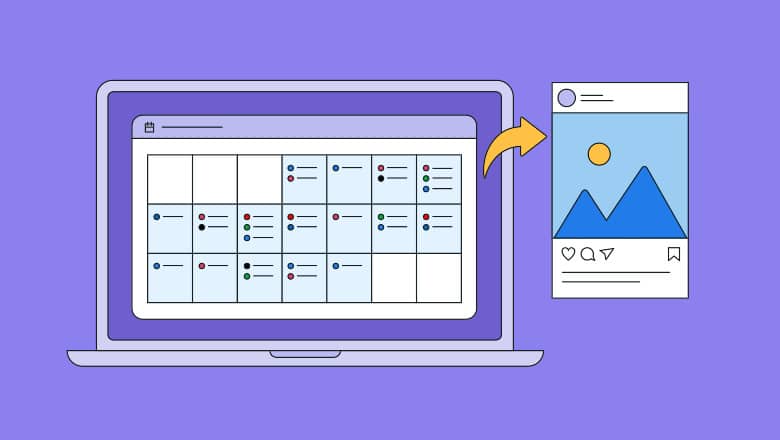
A content calendar (also called a publishing calendar or marketing calendar) is a planning tool used to organize what content will be created, when it will be posted, and where it will be published. It’s more than a schedule — it’s your content roadmap, keeping your brand on track and aligned with campaigns, goals, and audience engagement patterns.Why You Need a Content Calendar in 2025
In 2025, content moves fast. Trends shift daily, and algorithms favor brands that are consistent and organized.Here’s why content calendars matter:
- Maintain a steady posting rhythm that keeps audiences engaged.
- Prevent last-minute stress and random posting.
- Align all departments (design, copy, media buying) under one plan.
- Support multi-platform marketing — Facebook, Instagram, LinkedIn, TikTok, YouTube, and blogs.
- Track performance and optimize campaigns easily.
Step 1: Define Your Marketing Goals
Before you start filling out dates and posts, identify what you want to achieve:- Brand awareness — Focus on storytelling and visuals.
- Engagement — Share interactive posts like polls or videos.
- Leads and sales — Plan conversion-driven campaigns and retargeting ads.
- Education — Schedule tips, how-tos, and expert insights.
Step 2: Audit Your Existing Content
Before creating new material, review what you already have:- Which posts got the most engagement or clicks?
- What topics did your audience love?
- Which time slots performed best?
Step 3: Choose the Right Platforms
Different platforms need different posting strategies.| Platform | Ideal Posting Frequency | Content Type |
| 3–5 times/week | Reels, Stories, lifestyle visuals | |
| 2–3 times/week | Thought leadership posts, infographics | |
| TikTok | 3–7 times/week | Short, engaging videos |
| 3–5 times/week | Mixed visuals, offers, community updates | |
| YouTube | 1–2 times/week | Tutorials, ads, brand storytelling |
Step 4: Build Your Content Calendar Structure
There’s no one-size-fits-all template, but your calendar should include:- Date & Time of Publication
- Platform (Instagram, TikTok, etc.)
- Content Type (video, image, blog, ad)
- Post Caption or Message
- Graphic/Media Link
- Responsible Team Member
- Status (draft, scheduled, published)
Step 5: Plan Scheduling and Publishing
Scheduling is where your content calendar truly comes alive.Tips for Perfect Scheduling
- Post when your audience is most active (based on insights).
- Schedule a mix of content types (educational, entertaining, promotional).
- Keep seasonal events and holidays in mind — Ramadan, Eid, National Days, or global events.
- Maintain flexibility for last-minute trend posts or news updates.
Step 6: Collaborate Across Teams
A strong publishing plan connects everyone involved in content creation:- Writers know what message to craft.
- Designers know what visuals to produce.
- Managers can review and approve before posting.
Step 7: Track and Optimize Performance
Your content calendar isn’t static — it’s a living document that evolves with your performance data.Track KPIs Like:
- Engagement (likes, comments, shares)
- Reach and impressions
- Follower growth
- Click-through rates
- Conversion metrics (sign-ups, purchases, inquiries)
Common Mistakes to Avoid in Content Calendar Creation
- Overloading the schedule — quality always beats quantity.
- Ignoring analytics — without data, you’re guessing.
- Skipping approvals — always review posts before publishing.
- No flexibility — trends can shift; your plan should adapt quickly.
Future Trends in Content Planning (2025 and Beyond)
The world of scheduling and publishing is evolving fast. Here’s what’s next:- AI-assisted calendars that predict best posting times.
- Automated caption generation based on tone and target audience.
- Cross-platform integration tools that post and analyze content instantly.
- Voice and video-first strategies, replacing static graphics.
FAQs About Content Calendar Creation
Q1: What’s the best tool for building a content calendar? Tools like Notion, Trello, and Later are perfect for both small businesses and large agencies. Q2: How far ahead should I plan content? Ideally, 4–6 weeks in advance, with flexibility for trending topics. Q3: Should I include paid ads in my content calendar? Yes — all content (organic and paid) should be in one unified publishing plan. Q4: How do I choose posting times? Use analytics from Meta, TikTok, or LinkedIn to find your audience’s peak activity hours. Q5: How often should I update the calendar? Review it weekly, optimize monthly, and refresh the entire plan quarterly.Conclusion: A Strong Calendar Means a Strong Brand
A well-built content calendar is the foundation of every winning marketing strategy. It saves time, aligns your team, and ensures your content delivers consistent results across platforms. Whether you’re a marketing agency in Jordan or a growing business in Qatar, a smart scheduling and publishing plan will help you stay ahead in 2025’s fast-moving digital world.
Recent Posts
abdelrahman.qazaer@gmail.com/0 Comments
Keyword Stuffing: The Ultimate Guide for Safe and Effective SEO in UAE and Jordan

abdelrahman.qazaer@gmail.com/0 Comments
Short-Form Social Posts: Comprehensive Guide for UAE & Jordan Businesses

abdelrahman.qazaer@gmail.com/0 Comments