


Content Calendar Creation: Building a Strategic, High-Impact Posting Schedule
December 1, 2025
/
Content Calendar Creation: Building a Strategic, High-Impact Posting Schedule
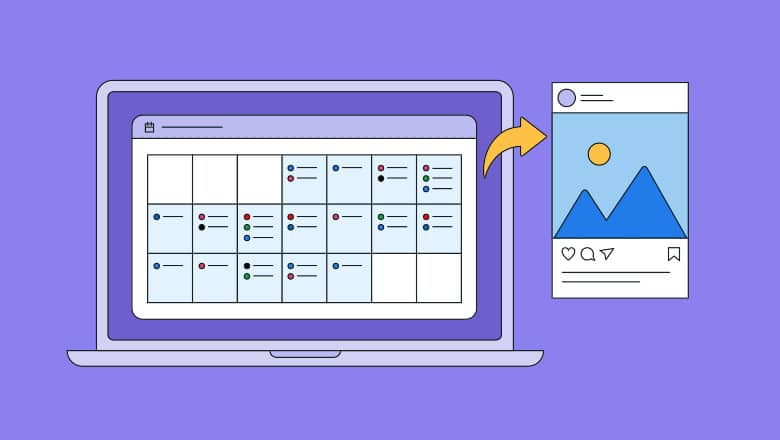
A Content Calendar Creation is a strategic, organized schedule that outlines what content you will publish, on which platform, and at what time. It allows brands to plan their monthly or weekly content in advance, ensuring every post supports the brand’s goals, audience interests, and overall digital strategy.
By following a well-built content calendar, brands maintain consistent posting frequency—one of the strongest drivers of algorithmic reach. Consistency helps improve visibility, supports audience retention, and enhances brand authority. A structured system eliminates last-minute posting and ensures that every piece of content aligns with campaigns, sales cycles, and content pillars.
AQ Agency specializes in building high-performance content calendars tailored to each brand’s industry, audience insights, and growth goals. With expert strategists, data-backed insights, and creative planning, AQ helps brands maintain consistency and achieve measurable growth across all social platforms.
What Is a Content Calendar?
A content calendar is more than just a simple schedule of posts. It is a strategic plan that outlines what content will be published, when, where, and why. By organizing all upcoming content in advance, brands can ensure consistency, align with marketing objectives, and deliver value to their audience on a regular basis.Difference Between a Basic Posting Schedule vs. a Strategic Content Calendar
- Basic Posting Schedule: Lists dates and times for posts without considering content type, audience behavior, or business goals. Often reactive and prone to inconsistencies.
- Strategic Content Calendar: Combines audience insights, content pillars, platform-specific posting strategies, and KPIs to guide content creation and distribution. It is proactive, measurable, and aligned with business objectives.
Key Benefits of a Strategic Content Calendar:
- Keeps your brand consistent across all platforms
- Improves engagement by targeting the right content at the right time
- Supports campaigns, launches, and seasonal content planning
- Tracks performance to optimize future content
Why Is a Content Calendar Essential for Modern Brands?
In today’s fast-paced digital landscape, posting content randomly or inconsistently is no longer enough to capture your audience’s attention. A content calendar provides structure, strategy, and foresight, enabling brands to publish content that resonates with their audience while staying aligned with business goals. By planning ahead, brands can maintain consistency, optimize engagement, and measure the performance of every post. Using a content calendar is especially critical for multi-platform strategies, as each social channel has its own algorithm, audience behavior, and peak engagement times. Brands that leverage a calendar can create coordinated campaigns that amplify their messaging, maximize reach, and ultimately drive conversions.1. Ensures Consistent Posting
Consistency is one of the most important factors in growing a social media presence. Posting regularly keeps your brand visible in feeds, reinforces your messaging, and helps your audience recognize and trust your brand over time. A content calendar ensures that content is scheduled in advance, avoiding gaps or overposting. Without a consistent posting schedule, brands risk losing audience engagement and credibility. By planning posts strategically, you can maintain a steady presence across all channels while still allowing flexibility for trends, seasonal content, or campaign updates.2. Improves Audience Targeting and Timing
A content calendar allows you to post content when your audience is most active and engaged. By analyzing insights and past performance, you can schedule posts to reach the right people at the right time, increasing the likelihood of clicks, shares, and conversions. Beyond timing, calendars also help tailor content to specific audience segments. Whether it’s creating posts for different personas or targeting geographic regions, a calendar ensures every piece of content is optimized for maximum relevance and engagement.3. Reduces Burnout and Last-Minute Content Creation
Relying on spontaneous content creation can be stressful and unsustainable for marketing teams. A content calendar allows teams to plan weeks or months ahead, reducing pressure and last-minute scrambling. This forward-planning also encourages higher-quality content creation. Teams have more time for brainstorming, research, design, and editing, resulting in professional, impactful posts rather than rushed or low-quality updates.4. Enhances Cross-Platform Alignment
Managing multiple platforms without a calendar can lead to disjointed messaging and missed opportunities. A content calendar ensures that all channels share a consistent brand voice, campaign messaging, and visuals. By coordinating posts across platforms, brands can create a seamless experience for their audience. This alignment helps reinforce campaigns, drive traffic across channels, and maintain a coherent brand identity.5. Enables Lifecycle Marketing and Campaign Planning
From product launches to seasonal promotions, a content calendar allows brands to plan campaigns in alignment with the customer journey. This ensures that each stage—from awareness to conversion—is supported with timely and relevant content. Planning ahead also helps integrate marketing efforts across different teams. Sales, social media, and content teams can collaborate more effectively, ensuring campaigns are executed smoothly and deadlines are met without last-minute confusion.6. Boosts Engagement, Brand Recall, and Conversions
A well-planned content calendar helps brands post strategically, using a mix of educational, entertaining, and promotional content. This variety keeps audiences engaged and encourages repeated interactions, which strengthens brand recall. Furthermore, by aligning content with marketing goals and tracking performance metrics, brands can optimize posts to drive meaningful conversions. Over time, this data-driven approach helps increase ROI and grow a loyal, engaged audience.Key Elements of an Effective Content Calendar
A content calendar is only as effective as the elements it includes. To maximize engagement, consistency, and ROI, it’s important to structure your calendar with all the essential components that guide your content creation, scheduling, and measurement. Each element works together to ensure your content aligns with your brand goals, resonates with your audience, and drives meaningful results. By including these key elements, brands can plan ahead strategically, maintain creative control, and measure performance efficiently. Here’s a breakdown of the most important components:1. Content Pillars + Categories
Content pillars are the foundational themes that reflect your brand values and marketing objectives. By defining pillars—such as educational, promotional, entertaining, or user-generated content—you can ensure every post aligns with your overall strategy. Categorizing content further allows your team to maintain variety and balance across campaigns. For example, rotating between tips, tutorials, product highlights, and testimonials helps keep your audience engaged while reinforcing your brand identity.2. Target Audience + Persona Insights
Understanding your audience is critical for creating content that resonates. Include detailed persona information such as demographics, interests, pain points, and preferred platforms in your content calendar. By tailoring content to each persona, you improve engagement and conversion rates. A content calendar allows you to plan posts with audience-specific messaging, ensuring relevance and increasing the likelihood of interaction.3. Keyword + Hashtag Planning
Strategically incorporating keywords and hashtags improves discoverability and boosts SEO for your posts. Planning these in advance helps align content with trending topics and search intent. Using relevant hashtags and keywords ensures your content reaches the right audience, increases impressions, and enhances your chances of going viral. A structured calendar makes it easy to track and update keywords based on performance metrics.4. Posting Frequency per Platform
Each social media platform has its own optimal posting frequency. Include a schedule in your calendar to avoid overposting or underposting, which can negatively impact engagement and reach. By mapping out a platform-specific frequency, your brand can maintain consistency while adapting content to the unique behaviors of each audience. This ensures maximum visibility without overwhelming your followers.5. Distribution Channels
Identify where each piece of content will be published. Include platforms such as Instagram, TikTok, LinkedIn, Facebook, YouTube, or your website. A clear distribution plan ensures content is shared strategically, leveraging the strengths of each platform. Coordinated posting across channels also improves cross-platform engagement and strengthens brand messaging.6. Creative Notes (Visual Guidelines)
Include guidelines for visuals, branding, and post formats. This may include tone, color schemes, font usage, image types, and video styles. Visual consistency helps strengthen brand identity and ensures your content is immediately recognizable. A calendar with creative notes keeps your team aligned and speeds up content creation and approval processes.7. KPIs and Goals
Track performance metrics such as engagement rate, reach, clicks, conversions, and impressions directly in your calendar. Clearly defining KPIs ensures every post supports measurable outcomes. Goals guide your strategy, helping identify which content types perform best. Over time, this data informs optimization, allowing your team to make smarter decisions and improve ROI.8. Calls-to-Action (CTAs)
Every piece of content should include a clear CTA aligned with your marketing objectives, whether it’s driving traffic, generating leads, or increasing engagement. Planning CTAs in advance ensures posts serve a purpose beyond visibility. Consistent CTAs in your calendar strengthen campaign effectiveness and help move audiences through the marketing funnel.9. Analytics Tracking Columns
Include dedicated columns in your calendar for tracking performance, notes, and lessons learned. This can include engagement, shares, clicks, conversions, or qualitative observations. Tracking analytics in the same system where content is planned allows teams to quickly identify trends, optimize future content, and demonstrate measurable results to stakeholders.Step-by-Step Guide: How to Create a High-Performance Content Calendar
Creating a high-performance content calendar requires a structured, strategic approach that combines audience insights, brand messaging, and cross-platform optimization. By following a step-by-step process, brands can ensure that every piece of content supports their goals, engages the audience, and maximizes ROI. A well-planned calendar also saves time, reduces errors, and provides a clear roadmap for marketing teams. This guide will walk you through each step of the process, from research and planning to execution, so you can build a content calendar that drives measurable results.Step 1 — Conduct Audience & Competitor Analysis (H3)
Platforms Your Audience Uses: Understanding where your audience spends their time is the foundation of an effective content calendar. Use analytics tools to identify the platforms your audience engages with most and tailor your content strategy accordingly. For example, younger demographics may prefer TikTok and Instagram Reels, while professionals may be more active on LinkedIn. Knowing your audience’s preferred platforms ensures that your content reaches the right people at the right time. This also allows you to allocate resources efficiently, focusing on channels that provide the highest engagement and potential ROI. Competitor Posting Patterns: Analyzing competitors’ posting schedules helps identify gaps and opportunities. Look at their content types, posting frequency, and engagement levels to see what resonates with their audience. This research can inspire your strategy while ensuring your brand stands out. Understanding what works—and what doesn’t—for competitors helps you refine your approach and avoid common mistakes. Trending Content Formats: Identify the content formats that are currently trending within your industry. This could include short-form videos, carousel posts, stories, live streams, or infographics. Incorporating trending formats keeps your content fresh and relevant, increasing the likelihood of engagement. Tracking trends also allows your brand to adapt quickly to changes in audience preferences or platform algorithms.Step 2 — Define Content Pillars & Brand Messaging (H3)
Educational: Create content that informs and adds value to your audience. This could include tutorials, how-to guides, tips, or industry insights. Educational content positions your brand as an authority in your niche, builds trust, and encourages repeat engagement. It also provides long-term value for audiences searching for solutions or guidance. Engaging: Focus on content that sparks interaction, such as polls, quizzes, challenges, or interactive stories. Engaging content increases reach and visibility by encouraging likes, shares, comments, and other interactions. This type of content is essential for building community and fostering a loyal audience. Promotional: Include posts that highlight products, services, special offers, or sales campaigns. Promotional content should be strategically placed to support business objectives without overwhelming your audience. Balancing educational and entertaining content with promotional posts ensures authenticity and credibility. Community-Driven: Highlight user-generated content, testimonials, reviews, or collaborations with influencers. Community-driven content fosters trust and social proof, showing your audience that real people value your brand. It also encourages followers to contribute, amplifying your reach organically. Trends & UGC: Leverage trending topics, challenges, or viral formats and encourage user participation. Incorporating trends keeps your brand relevant and shows that your marketing strategy is agile and audience-focused. User-generated content adds authenticity and encourages engagement across platforms.Step 3 — Choose the Right Posting Frequency (H3)
Every platform has an optimal posting frequency to maximize engagement without overwhelming your audience. For example:- Instagram: 3–5 times per week (feed) + daily stories
- TikTok: 1–3 times per day for growth
- Facebook: 1–2 times per day
- LinkedIn: 2–5 times per week
- YouTube: 1–2 videos per week
Step 4 — Plan Content Ideas & Monthly Themes (H3)
Seasonal Campaigns: Align content with seasonal trends, holidays, or annual events. This ensures your posts are timely and relevant, increasing engagement. Product Launches: Plan posts that highlight new products, services, or features, incorporating teasers, demos, or behind-the-scenes content. Trending Topics: Incorporate trending hashtags, challenges, or viral content to capture audience attention and stay relevant in your niche. Holidays + Events: Include culturally or industry-relevant holidays and events to make your content timely and relatable. This ensures campaigns are well-prepared and cohesive across all platforms.Step 5 — Create a Multi-Platform Distribution Strategy (H3)
A content calendar should outline exactly how and where each post will be published. Consider platform-specific requirements, audience behavior, and optimal posting times. A distribution strategy ensures that your message is amplified across multiple channels without duplication. Coordinated posting across platforms maximizes reach, supports campaigns, and maintains brand consistency.Step 6 — Build the Calendar Using Tools (H3)
Notion: Highly customizable for tracking ideas, drafts, and publishing schedules. Trello: Visual boards for planning campaigns and assigning tasks to team members. Google Sheets: Simple, shareable, and easy to customize with content details and analytics. Asana: Project management tool ideal for collaboration between marketing teams. Hootsuite & Buffer: Tools for scheduling, automation, and tracking cross-platform analytics. Using these tools streamlines content creation, scheduling, and tracking. It ensures your team stays organized, reduces errors, and provides a clear overview of all upcoming content.Step 7 — Add Copy, Creatives, and Hashtags (H3)
Copywriting: Once your calendar structure is set, write compelling captions that align with your brand voice and marketing goals. Each post should have a clear message, value proposition, or call-to-action. Creatives: Plan visuals such as images, videos, infographics, carousels, or animations. Consistent branding—colors, fonts, and design elements—ensures that your content is instantly recognizable and professional. Hashtags: Strategically add hashtags to increase discoverability and reach. Use a mix of trending, niche, and branded hashtags to optimize visibility and engagement. A well-planned set of hashtags also supports search engine optimization and helps your posts appear in relevant content streams. By combining strong copy, creative visuals, and targeted hashtags in your calendar, your posts are ready to perform at their best across platforms. This ensures a cohesive, high-quality content experience for your audience.Step 8 — Track Performance & Optimize (H3)
Tracking Metrics: Monitor KPIs such as reach, engagement, click-throughs, conversions, and impressions directly in your content calendar. Tracking these metrics allows you to measure the effectiveness of each post and identify patterns of high performance. Optimization: Use insights from performance data to refine posting times, content types, captions, visuals, and hashtags. Continuously optimizing your content ensures your strategy stays relevant, effective, and aligned with audience preferences. By making performance tracking and optimization part of your calendar workflow, your content strategy becomes data-driven and adaptable, delivering measurable results and maximizing ROIBest Practices for Content Calendar Optimization
- Keep 20–30% flexible for trends
- Refresh content pillars every quarter
- Maintain brand voice consistency
- A/B test captions, posting times, and formats
- Repurpose long-form content into short-form
- Use AI tools (without depending fully on them)
Common Mistakes to Avoid When Building a Content Calendar
- Posting too frequently or too rarely
- No audience insights
- Inconsistent branding
- Not tracking analytics
- Not aligning with business goals
- Ignoring seasonal/trending moments
How AQ Agency Helps You Build a Professional Content Calendar (E-E-A-T Section)
Creating a high-performing content calendar requires more than just planning—it requires expertise, industry knowledge, and a deep understanding of audience behavior. AQ Agency brings years of experience in social media strategy and digital marketing to help brands plan, schedule, and optimize content that drives measurable growth.Conclusion
A strategic content calendar is not just a scheduling tool—it is the backbone of a brand’s digital presence. It ensures consistency, reinforces messaging, and allows for proactive planning that aligns with audience behavior and business goals. By implementing a well-structured content calendar, brands can increase engagement, maintain visibility across multiple platforms, and drive conversions. Partnering with an expert agency like AQ ensures that your content strategy is optimized, data-driven, and results-oriented. 📩 Start building your content calendar with AQ Agency today and watch your brand’s social media performance soar.FAQs About Content Calendar Creation
Q1: What is the best tool to build a content calendar? Tools like Notion, Trello, Google Sheets, Asana, Hootsuite, and Buffer are excellent for creating, scheduling, and tracking content. The choice depends on team size, collaboration needs, and workflow complexity. Q2: How far in advance should I plan content? Brands typically plan 1–3 months in advance, balancing seasonal campaigns, product launches, and trending content opportunities while leaving flexibility for real-time updates. Q3: How many posts should I publish per week? Posting frequency varies by platform:- Instagram: 3–5 times per week (feed) + daily stories
- TikTok: 1–3 times per day
- Facebook: 1–2 times per day
- LinkedIn: 2–5 times per week
- YouTube: 1–2 videos per week

Recent Posts

abdelrahman.qazaer@gmail.com/0 Comments
Social Media Giveaways: How to Boost Engagement and Grow Your Brand
abdelrahman.qazaer@gmail.com/0 Comments
Canonical Tags – The Complete Guide to Canonical Tags in SEO (2026 Edition)

abdelrahman.qazaer@gmail.com/0 Comments