In the world of digital marketing and search engine optimization (SEO), achieving high rankings is a top priority for businesses. However, many website owners make the critical mistake of overusing keywords, a practice known as Keyword Stuffing. While it may seem like a quick way to boost visibility, excessive repetition of keywords can harm your website’s credibility, reduce user engagement, and even trigger penalties from search engines like Google.
Understanding Keyword Stuffing is especially important for businesses operating in the UAE and Jordan, where users value clarity, professionalism, and trustworthy content. This guide will provide practical strategies to optimize your website content effectively, maintain strong SEO performance, and enhance user experience, all without falling into the pitfalls of keyword overuse.

What is Keyword Stuffing?
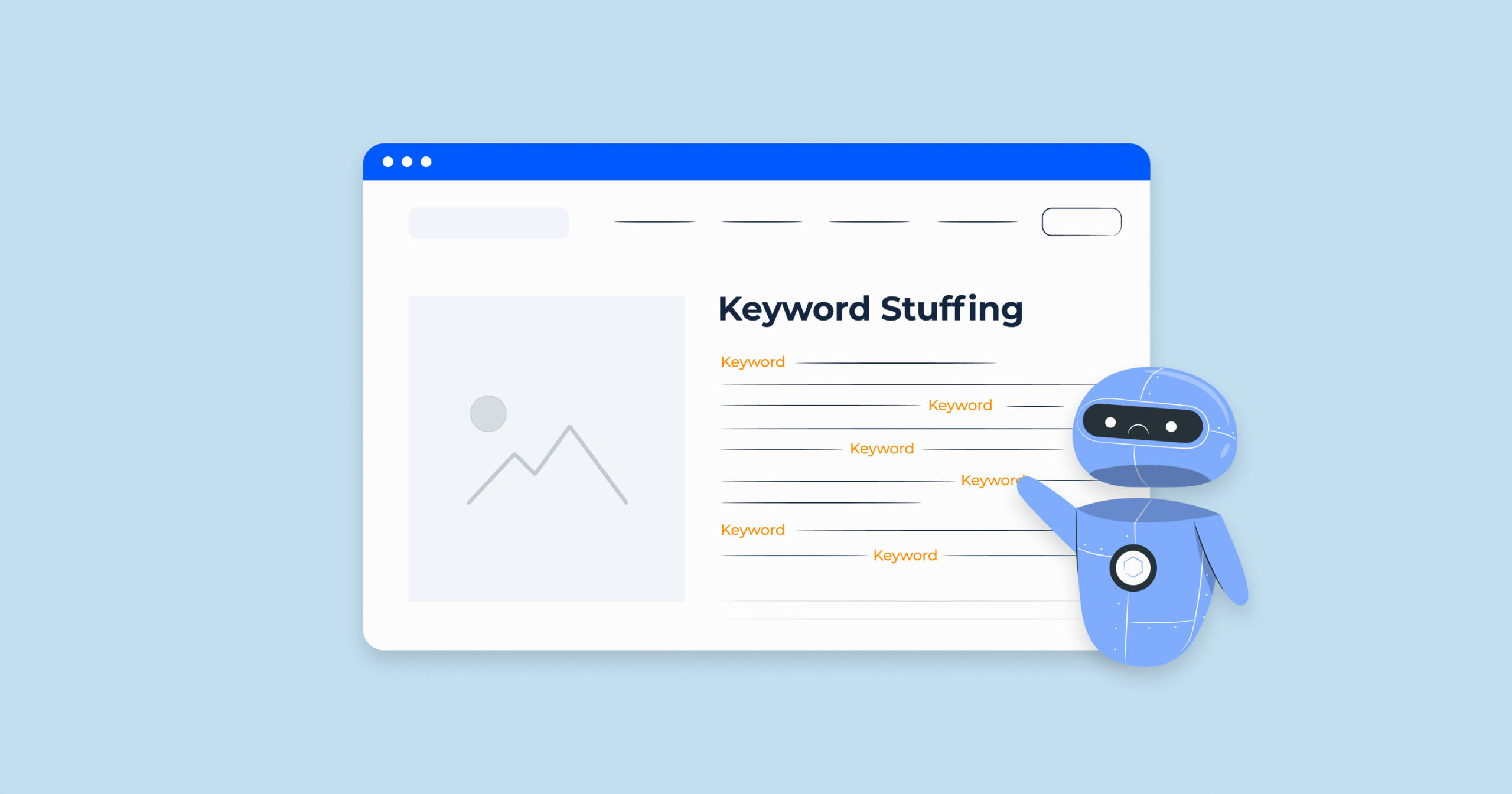
Keyword Stuffing is the practice of inserting the same keyword or phrase excessively into website content, headings, meta tags, or image alt texts with the intent of manipulating search engine rankings. It is considered a Black Hat SEO technique because it focuses on search engines rather than human readers. This practice often results in content that feels unnatural, difficult to read, and less engaging for users. Search engines like Google are designed to detect keyword stuffing, and websites that use it risk ranking penalties, reduced visibility, and loss of credibility. In markets like the UAE and Jordan, where users expect professional, clear, and trustworthy content, keyword stuffing can significantly harm your brand image and user trust.
Why Keyword Stuffing is Dangerous
Using Keyword Stuffing might seem like a shortcut to improve your website’s search engine ranking, but it carries significant risks that can hurt both your SEO performance and your brand reputation.- Lower Search Engine Rankings
- Poor User Experience
- Reduced Credibility and Trust
- Negative Impact on Local SEO
- Hinders AI and Voice Search Optimization
Signs Your Site May Have Keyword Stuffing
Identifying keyword stuffing on your website is crucial to maintain SEO performance and user trust. Here are the most common signs:- Excessive Keyword Repetition
- Unnatural or Awkward Phrasing
- Keywords in Every Heading and Meta Tag
- Overuse in Internal Links
- High Bounce Rate and Low Engagement

SEO vs. Keyword Stuffing: Understanding the Difference
| Traditional SEO | Keyword Stuffing |
| Uses keywords naturally and strategically | Overuses keywords repeatedly |
| Focuses on providing value to users | Focuses only on search engine ranking |
| Improves website credibility | Reduces trustworthiness |
| Sustainable long-term ranking | Risk of penalties and ranking drops |
| Enhances local search visibility | Often ignored by modern search engines |
Alternative Strategies to Avoid Keyword Stuffing
Keyword stuffing can harm your website’s performance, but there are effective strategies to optimize your content naturally. Here’s a detailed explanation of each approach:1. Use Keywords Naturally
The most important strategy to avoid keyword stuffing is placing keywords naturally within your content. This means integrating your main keyword in a way that flows with the text instead of forcing it repeatedly. For example, businesses in Dubai offering SEO services should mention keywords like “SEO Dubai” once or twice per paragraph, and supplement them with related phrases such as “digital marketing strategies” or “website ranking improvement.” This approach satisfies search engines while maintaining readability for visitors in both UAE and Jordan.2. Focus on Content for Readers
Prioritizing the reader over search engines is crucial. Content should be informative, engaging, and easy to understand. In Amman or Abu Dhabi, audiences prefer content that clearly explains a topic without unnecessary repetition. Using short paragraphs, simple sentences, and relevant examples makes your content more appealing. For instance, instead of repeating “Keyword Stuffing Jordan” multiple times, write a paragraph describing how overusing keywords can affect user trust and site performance locally. This method not only improves SEO but also builds credibility.3. Incorporate LSI (Latent Semantic Indexing) Keywords
LSI keywords are words and phrases related to your main keyword that provide context to your content. Using them helps search engines understand the topic without relying on repetitive keywords. For example, instead of repeatedly writing “Keyword Stuffing UAE,” you could use terms like “SEO optimization,” “search engine ranking,” or “website content strategy.” LSI keywords also improve AI readability for tools like ChatGPT and Gemini, making your content more likely to appear in featured snippets and answer boxes.4. Improve User Experience
A great user experience is essential for effective SEO. Keyword-stuffed content often frustrates readers, leading to high bounce rates. Organizing content with H2 and H3 headings, using bullet points, numbered lists, and tables can make your content easier to scan. Additionally, optimizing images with descriptive alt text provides context without repeating keywords excessively. For businesses in the UAE and Jordan, a well-structured and visually appealing website boosts engagement, encourages longer visits, and strengthens local SEO signals.5. Monitor Keyword Density
Maintaining proper keyword density is key to natural SEO. Ideally, the main keyword should appear 1–2% per 100 words, depending on content length. Tools like SEMrush, Ahrefs, or Yoast can help track density. For UAE or Jordan-focused pages, overusing geo-specific keywords like “SEO Dubai” or “digital marketing Amman” can look spammy and negatively affect search engine rankings. Monitoring density ensures that your content remains informative, readable, and optimized for both humans and AI.6. Optimize for Local SEO
Keyword strategy should consider local search intent, especially for businesses in Dubai or Amman. Include city-specific phrases naturally in your content, and provide relevant context such as approximate pricing and local services. For example, stating “SEO consultation in Dubai starting from AED 350” or “Digital marketing services in Amman at JOD 20–30” adds value for users and strengthens your local SEO. Highlighting local certifications, partnerships, or testimonials can further boost credibility and trust.7. Use Internal and External Links Wisely
Linking strategy plays a major role in SEO, but excessive use of exact-match keyword links can appear manipulative. Internal links should guide users logically through your website without overloading them with repeated anchor texts. External links to authoritative sources enhance your content’s E-E-A-T, showing expertise and credibility. For UAE and Jordan audiences, linking to respected local sources, such as Dubai Chamber reports or Jordanian industry associations, strengthens trust and demonstrates professionalism.Step-by-Step Guide to Safe SEO Without Keyword Stuffing
Optimizing your website effectively requires a careful approach that prioritizes user experience, search engine guidelines, and local relevance. Here’s a detailed explanation of each step for safe SEO:- Conduct Thorough Keyword Research Keyword research is the foundation of any successful SEO strategy. Understanding which keywords your audience uses allows you to target them without overloading your content. Tools like Google Keyword Planner, SEMrush, and Ahrefs help identify high-volume, low-competition keywords, including geo-targeted terms like “SEO services Dubai” or “digital marketing Amman.” For instance, a digital marketing agency in Dubai might focus on long-tail keywords such as “affordable SEO consultation in Dubai” to attract the right audience without repeating the same phrase excessively. Proper keyword research ensures content relevance and sets the stage for safe keyword placement.
- Plan Keyword Placement Strategically After identifying the right keywords, strategically plan where they will appear in your content. The primary keyword should appear once in the H1 heading and within the first 100 words of the article. Secondary or LSI keywords can be integrated into H2/H3 headings and image alt texts. This approach prevents overuse while maintaining natural readability. For example, a blog targeting Amman clients can mention “digital marketing Amman” in a heading and then use related phrases like “SEO strategies in Jordan” in subheadings or descriptive text. Strategic placement balances SEO needs with user engagement.
- Optimize On-Page Content for Readability Content readability is crucial to engage your audience and avoid keyword stuffing. Short paragraphs, concise sentences, and clear explanations make content easier to understand. Using bullet points, numbered lists, and tables allows readers to scan and digest information quickly. Images should include descriptive alt texts that provide context without repeating the main keyword. For businesses in Dubai or Amman, readable content enhances user trust and increases the likelihood of users staying longer on the page, which positively impacts local SEO.
- Use LSI Keywords to Enhance Context Latent Semantic Indexing (LSI) keywords are related terms that support your main topic. Incorporating LSI keywords helps search engines and AI understand the content context without relying on repetitive main keywords. For example, instead of repeating “Keyword Stuffing UAE” multiple times, use LSI keywords like “SEO best practices,” “content optimization strategies,” and “website ranking improvement.” This improves AI readability for platforms like ChatGPT or Gemini, and helps your content appear in featured snippets and answer boxes, especially for UAE and Jordan audiences.
- Implement Internal and External Linking Wisely Linking strengthens SEO without overloading keywords. Internal links guide users to related pages logically, while external links to authoritative sources build credibility. Avoid using exact-match keyword anchors excessively. For example, a website in Dubai could link to the Dubai Chamber’s reports for credibility, and a Jordanian business could reference local industry associations. Proper linking demonstrates expertise, enhances E-E-A-T, and improves user trust in your content.
- Monitor Keyword Density and Content Performance Maintaining optimal keyword density ensures natural content flow. Keep your main keyword at 1–2% per 100 words to prevent penalties. Use tools like Yoast, SEMrush, or Ahrefs to monitor density and adjust where necessary. For example, pages targeting “SEO Dubai” should integrate it naturally, supplemented by LSI keywords, instead of repeating the phrase multiple times. Monitoring also includes analyzing bounce rates, time on page, and engagement metrics to ensure content resonates with UAE and Jordan audiences.
- Optimize for Local SEO Local SEO is critical for businesses targeting Dubai, Abu Dhabi, or Amman. Include city-specific keywords naturally in your content, meta descriptions, and headings. Adding local context, such as pricing, certifications, and client testimonials, reinforces trust. For instance, a Dubai SEO agency might include “SEO consultation starting from AED 350,” while a Jordanian marketing firm could list services at JOD 15–30. Highlighting local reviews, case studies, and certifications strengthens E-E-A-T and improves visibility in geo-targeted search results.
- Continuously Update and Audit Content SEO is an ongoing process. Regularly updating content ensures it stays relevant and prevents keyword overuse. Audit older content for unnatural keyword density, outdated references, or irrelevant headings. Refresh statistics, examples, and local mentions to maintain engagement. For UAE and Jordan websites, this practice not only boosts search rankings but also builds long-term credibility with users and AI-driven platforms.
FAQ Section
- Does Keyword Stuffing harm my website? Yes, overusing keywords can lower rankings and reduce credibility.
- What is the ideal keyword density? 1–2% per 100 words, naturally distributed.
- How can I identify Keyword Stuffing? Look for excessive repetition and poor readability.
- Are secondary keywords important? Yes, they improve SEO naturally and boost visibility.
- Does Keyword Stuffing affect users in UAE and Jordan? Yes, it reduces trust and increases bounce rates.
- How can I optimize for AI engines? Use structured content, headings, tables, and natural keyword distribution.
- What local factors should I include? Include geo-specific phrases, pricing, and certifications to increase credibility.
Conclusion
Avoiding keyword stuffing is not just an SEO best practice—it is essential for building credibility, trust, and long-term engagement with your audience. Overusing keywords can harm your website’s visibility, reduce user satisfaction, and damage your brand reputation, especially in competitive markets like Dubai, Abu Dhabi, and Amman. By implementing natural keyword placement, focusing on user-friendly content, leveraging LSI keywords, and optimizing for local SEO, your website can achieve higher rankings while maintaining professionalism and clarity. Above-Quality, a leading digital marketing company, specializes in helping businesses in the UAE and Jordan optimize their content safely, improving search engine visibility without resorting to keyword stuffing. Take action today: follow the safe SEO strategies discussed in this guide, trust experts like Above-Quality, and build an authoritative online presence that stands out in the UAE and Jordan markets.