


November 24, 2025
/
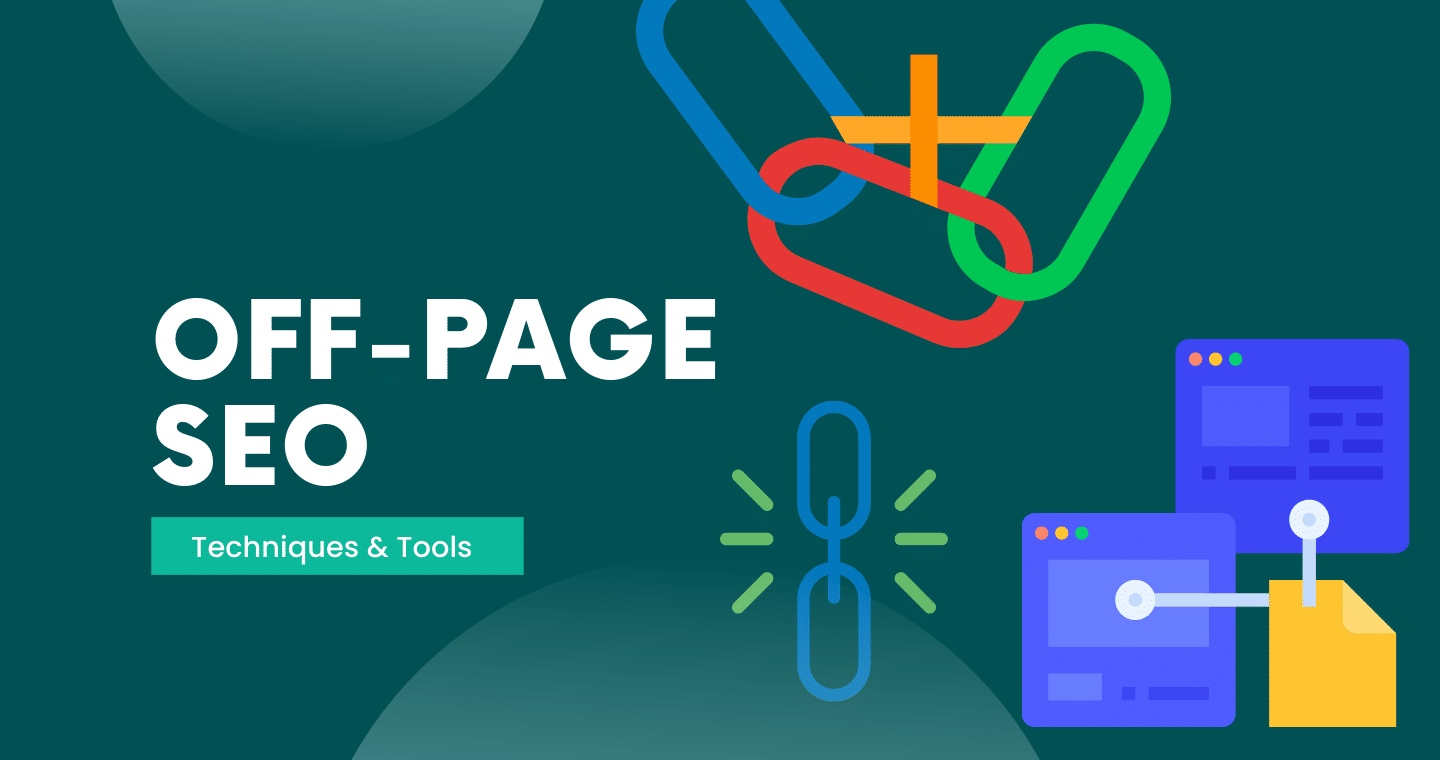
Off-Page SEO for Small Businesses in MENA
In the ever-growing digital landscape, small businesses in the MENA region—covering Saudi Arabia, the UAE, and Qatar—face a unique challenge: standing out online against larger competitors. While having a well-optimized website is crucial, relying solely on on-page SEO is no longer enough. This is where off-page SEO becomes essential.
Off-page SEO refers to all actions taken outside your website that impact your search engine rankings. Unlike on-page SEO, which focuses on elements within your site such as content, meta tags, and keyword optimization, off-page strategies help build your brand’s authority, trustworthiness, and online presence.
What is Off-Page SEO?
Off-page SEO involves strategies designed to improve your website’s reputation and authority outside its pages. This includes building backlinks, managing online reviews, leveraging social media, and engaging in digital PR. Essentially, while on-page SEO focuses on optimizing your site, off-page SEO ensures that the world recognizes your site as a credible and authoritative source. For small businesses, particularly in MENA, off-page SEO is a powerful tool for competing in niche markets. When done correctly, it signals to Google and other search engines that your business is trustworthy and authoritative, making your site more likely to appear in top search results.Why Off-Page SEO Matters for Small Businesses in MENA
Small businesses in Saudi Arabia, UAE, and Qatar often face challenges like limited marketing budgets and high competition from well-established brands. Off-page SEO addresses these challenges in several ways:- Building Local Authority: By getting backlinks from reputable local sites, small businesses can establish themselves as authoritative voices within their niche.
- Trust & Credibility: Reviews, testimonials, and mentions on other platforms enhance the perception of reliability.
- Market Competitiveness: Effective off-page strategies allow smaller brands to compete with larger corporations online.
- Targeted Audience Reach: Engaging with local blogs, directories, and forums helps attract highly relevant traffic.
Key Off-Page SEO Techniques
Off-page SEO involves strategies beyond your website that help build authority, trust, and online visibility. For small businesses in MENA, applying the right techniques can significantly improve search rankings and attract local customers. Here are the most important off-page SEO techniques:1. Backlink Building
Backlink building is the cornerstone of off-page SEO because it signals to search engines that your website is trusted and recommended by others. When high-quality websites—especially reputable ones within the MENA region—link back to your content, they pass authority to your site, improving your search rankings. Small businesses can build backlinks through guest posting, digital PR, collaborations with local influencers, and creating valuable content that naturally attracts links. The focus should always be on quality over quantity, as one strong backlink from a respected site can be more powerful than dozens from low-authority websites.2. Local SEO & Google Business Profile
Local SEO plays a critical role for small businesses targeting customers in Saudi Arabia, UAE, and Qatar because it enhances visibility in location-based searches and Google Maps. By optimizing your Google Business Profile, collecting authentic customer reviews, and ensuring consistent business information across online directories, you build trust and strengthen your brand’s local presence. Local SEO signals to search engines that your business is credible and relevant to users in specific geographic areas, making it easier to appear in local search results and attract customers directly.3. Social Media Engagement
Social media engagement is an essential off-page SEO technique because it amplifies your brand’s reach, encourages conversations, and drives engagement signals that indirectly influence rankings. By consistently posting valuable content, interacting with followers, partnering with influencers, and joining trending discussions, small businesses in the MENA region can increase brand awareness and build trust. Platforms like Instagram, TikTok, LinkedIn, and Facebook are widely used across the region, and active participation helps generate brand mentions, shares, and traffic—strengthening your overall off-page SEO presence.4. Online Reputation Management
Managing your online reputation is vital for establishing trust and supporting the E-E-A-T framework. This technique involves monitoring reviews, responding professionally to customer feedback, and ensuring positive stories about your business appear online. Whether you run a salon, café, or e-commerce store, your online reputation directly influences consumer decisions. Search engines also consider customer sentiment when evaluating trustworthiness. By maintaining a strong digital reputation and addressing negative feedback with professionalism, your business builds credibility and long-term customer loyalty.5. Content Marketing on External Platforms
Publishing content on external platforms strengthens your authority and showcases your expertise beyond your own website. By contributing to industry blogs, local magazines, online forums, and Q&A sites, you expand your reach and position your brand as a knowledgeable leader in your niche. This type of content distribution—known in some regions as off-page optimalisatie—helps generate natural backlinks and increases brand awareness. Sharing insights, case studies, and expert answers demonstrates real-world experience, a crucial factor for building E-E-A-T in off-page SEO.6. Influencer & Community Outreach
Influencer and community outreach is a powerful off-page SEO technique that helps businesses connect with new audiences and build trust through third-party recommendations. By collaborating with influencers—especially micro-influencers who have strong local engagement—small businesses can increase visibility and encourage user-generated content. Participating in local online communities, webinars, and industry discussions also strengthens brand authority. These interactions create natural mentions, social signals, and links that support off-page SEO and improve your online reputation.7. Social Bookmarking & Content Sharing
Social bookmarking involves submitting your content to high-traffic websites like Reddit, Pinterest, or niche bookmarking platforms to increase discoverability and engagement. When users find and share your content, it generates referral traffic and signals search engines that your content is valuable. To use this technique effectively, small businesses should share high-quality, relevant content with compelling titles and useful insights. While this technique should be used carefully to avoid spam, strategic bookmarking can support off-page SEO and improve visibility.8. Monitoring & Analytics
Monitoring and analytics are essential to ensure your off-page SEO efforts are delivering measurable results. Tools like Ahrefs, SEMrush, Moz, and Google Search Console help track backlinks, referral traffic, keyword improvements, and brand mentions. By analyzing performance data, small businesses can identify which strategies are working, which backlinks are valuable, and where improvements are needed. Regular analysis ensures that off-page SEO remains focused, effective, and aligned with overall marketing goals, allowing your business to grow consistently over time.How to Create an Off-Page SEO Plan
Creating an effective off-page SEO plan requires a structured approach that strengthens your brand authority, builds trust, and improves visibility across external platforms. Here’s a practical, actionable plan any small business in Saudi Arabia, UAE, or Qatar can follow:1. Set Clear Off-Page SEO Goals
Before taking any action, you must first identify what you want to achieve with your off-page SEO efforts. A clear direction helps you choose the right strategies, invest your resources wisely, and track meaningful progress over time. Off-page SEO is not just about building links—it’s about building authority, trust, and a strong digital presence across platforms outside your website. For small businesses in the MENA region, where competition is high and consumer trust is essential, defining your goals early is the key to creating an effective and sustainable strategy. Common goals include:- Increasing website authority (DA / DR)
- Ranking for competitive local keywords
- Building strong brand awareness in the MENA market
- Growing referral traffic from trusted, high-authority websites
- Improving your online reputation and customer trust
- Strengthening your local visibility in Saudi Arabia, UAE, and Qatar
- Encouraging more brand mentions and authoritative citations
- Expanding your digital footprint across external platforms
2. Conduct a Backlink & Competitor Analysis
Before building your own off-page strategy, it’s important to understand what your competitors are doing—especially those already ranking on the first page of Google. Analyzing their backlink profiles helps you uncover the sources, content types, and strategies that search engines currently reward in your industry. This step gives you a clear roadmap of proven tactics and reveals gaps or opportunities you can capitalize on within the MENA market. Use tools like Ahrefs, SEMrush, or Moz to analyze:- Their top backlinks: Identify high-authority websites that recommend or mention your competitors.
- What sites link to them: Look for patterns such as regional news portals, industry blogs, influencer sites, or directories.
- The type of content that earns links: Determine which content formats—guides, statistics, infographics, blogs, or case studies—perform best.
- Local directories they appear in: Check which Saudi, UAE, or Qatar-based directories contribute to their local authority.
- Anchor text distribution: Understand how other websites reference them and what keywords are being used.
- New vs. lost backlinks: Spot trends to see what is currently working for them and what they may be losing.
3. Build a Target List of Link Opportunities
Once you understand your competitors’ backlinks, the next step is to create a focused list of platforms where you want your business to be mentioned, cited, or linked. This list serves as the foundation of your off-page strategy and ensures you are targeting high-value sources that can genuinely improve your authority and visibility—especially within the MENA region. Your goal is to build a diverse backlink profile that includes local, regional, and industry-relevant platforms. Consider adding the following to your target list:- Local business directories (Saudi, UAE, Qatar): These strengthen your local presence and help customers discover your business in regional searches.
- Industry blogs and magazines: Getting featured in niche publications positions your brand as an expert and boosts credibility.
- Local news websites: News mentions and PR features offer high-authority backlinks and strong brand exposure.
- Influencer blogs: Many influencers maintain blogs or websites where they review or mention brands—these links are highly trusted.
- Community forums: Participating in regional forums and business communities builds awareness and can lead to natural backlinks.
- Guest posting sites: Contributing valuable articles to reputable websites helps you reach new audiences while earning quality links.
- Educational platforms or resource pages: Sites that recommend tools, tips, or local services can provide strong, evergreen backlinks.
- Business associations and chamber of commerce listings: These add local legitimacy and improve trust signals for search engines.
4. Create Link-Worthy Content
To attract high-quality backlinks, your business must produce content that other websites genuinely want to reference, share, or cite. This is the backbone of any successful off-page SEO strategy. Link-worthy content positions your brand as a trusted source of information and naturally encourages journalists, bloggers, influencers, and industry experts to mention your work. Examples of link-worthy content include:- In-depth guides: Comprehensive, well-researched articles that solve real problems or explain complex topics attract both readers and backlinks.
- Industry insights related to the MENA market: Regional insights, trends, and market analysis hold strong authority, especially for businesses operating in Saudi Arabia, UAE, and Qatar.
- Case studies: Showcasing real results and success stories helps prove your expertise and is often cited by other businesses.
- Local data and statistics: Original data is one of the most linkable forms of content, as many websites reference statistics to support their articles.
- Infographics: Visual summaries of data or processes are highly shareable and often embedded on external websites with a link back to your source.
- Expert interviews: Featuring industry professionals or influencers builds authority and increases the chances of your content being shared widely.
- Checklists, templates, and resources: Practical tools are frequently bookmarked and linked by blogs and social media pages.
5. Start Active Backlink Building
Once you have link-worthy content and a target list of platforms, it’s time to actively build backlinks that boost your website’s authority. Small businesses in the MENA region can start with guest posting on reputable local blogs and industry websites, ensuring each article provides real value rather than keyword-stuffed content. Digital PR is another powerful approach—sharing newsworthy stories such as product launches, business achievements, awards, or community initiatives can earn mentions and links from authoritative news outlets and publications. Collaborating with micro-influencers is also effective, as their mentions and blog posts can generate high-quality backlinks while increasing brand visibility. In addition to these tactics, local businesses should explore partnership opportunities with other companies, events, or organizations to create mutual linking arrangements that benefit all parties. Another strategy is getting featured on resource pages and listicles, such as “Top 10 Businesses in Dubai” or “Best Services in Saudi Arabia,” which often provide authoritative, permanent backlinks. By combining these techniques strategically, small businesses can build a diverse and high-quality backlink profile that strengthens search engine rankings, enhances trust, and drives targeted referral traffic.6. Optimize Your Google Business Profile (GBP)
For small businesses in the MENA region, local SEO is a critical component of off-page SEO, and your Google Business Profile (GBP) plays a central role. An optimized GBP helps your business appear in local searches and Google Maps, making it easier for potential customers in Saudi Arabia, UAE, and Qatar to find and trust your brand. Beyond visibility, a well-maintained GBP also signals credibility to search engines, improving your overall search rankings. To make the most of your GBP:- Update photos regularly: Showcase your products, services, team, and premises. Fresh visuals make your profile more engaging and trustworthy.
- Add posts weekly: Share updates, promotions, events, or helpful tips to keep your audience informed and active.
- Use local keywords: Include geo-specific terms in your business description, services, and posts (e.g., “Dubai digital agency” or “Riyadh SEO expert”) to boost local search relevance.
- Encourage customer reviews: Positive reviews build social proof and enhance your business’s reputation, attracting more clicks and inquiries.
- Respond to every review professionally: Whether feedback is positive or negative, timely and professional responses demonstrate reliability and customer care.
7. Engage Actively on Social Media
While social media activity does not directly impact search engine rankings, it plays a vital role in off-page SEO by increasing brand visibility, generating mentions, and driving referral traffic. For small businesses targeting MENA markets, active social engagement helps build trust, authority, and recognition among local audiences. Focus on platforms popular in the region:- TikTok
- Share valuable content: Post informative, entertaining, or helpful content relevant to your audience.
- Engage with comments: Respond to questions and conversations to encourage interaction.
- Use niche-specific hashtags: Improve discoverability within your industry and region.
- Collaborate with influencers: Partner with creators who resonate with your target market.
- Encourage user-generated content: Reposts and customer-created content amplify your reach.
8. Build and Protect Your Online Reputation
A strong online reputation is central to E-E-A-T (Experience, Expertise, Authoritativeness, Trustworthiness) and influences both user trust and search engine perception. Maintaining a positive reputation ensures that potential customers see your brand as reliable and credible. Key actions include:- Monitor reviews on platforms like Google Maps, Instagram, Trustpilot, and regional review sites.
- Respond politely and professionally to all feedback, including negative reviews.
- Collect authentic testimonials from satisfied customers.
- Highlight reviews and success stories in social posts and marketing campaigns.
9. Leverage External Content Platforms
Publishing content on external platforms expands your digital footprint and establishes your brand as an authority beyond your website. This approach increases visibility, builds backlinks, and positions your business as a thought leader in your industry. Platforms to consider:- Medium
- Quora
- Reddit (regional and niche threads)
- Local magazines and online publications
- Community groups and professional forums
- Industry-specific discussion boards
10. Use Influencer & Community Outreach
Influencer and community engagement is a powerful off-page SEO tactic that generates brand mentions, authority, and organic links. Small businesses in MENA can leverage the credibility of trusted voices to reach new audiences. Effective strategies:- Collaborate with local micro-influencers who have strong engagement in your niche.
- Sponsor small events, webinars, or workshops relevant to your audience.
- Join online business groups, communities, and industry associations.
- Share expert advice, insights, and commentary in discussions to showcase expertise.
11. Share Content Through Social Bookmarking
Social bookmarking can increase the visibility and discoverability of your content, driving referral traffic and generating additional engagement signals. However, it should be used strategically and sparingly. Recommended platforms:- Mix
12. Monitor Toxic Links & Maintain a Clean Backlink Profile
Maintaining a healthy backlink profile is essential to protect your domain authority and ensure that off-page SEO efforts deliver lasting benefits. Key steps:- Regularly identify toxic, spammy, or low-quality backlinks that could harm your site.
- Use Google’s Disavow Tool to remove harmful links if necessary.
- Avoid paid, irrelevant, or manipulative link schemes.
- Conduct periodic audits to ensure your backlink profile remains strong and credible.
13. Analyze and Track Performance Monthly
Use tools like:- Ahrefs or SEMrush → backlink growth & quality
- Google Search Console → impressions, clicks, indexed links
- Brand24 → brand mentions
- Google Analytics → referral traffic
Tools & Resources to Track Off-Page SEO Performance
- Ahrefs: Tracks backlinks, referring domains, anchor text, and competitor off-page strategies.
- SEMrush: Monitors link-building opportunities and evaluates toxic or harmful backlinks.
- Moz Link Explorer: Measures domain authority, page authority, and backlink quality.
- Google Search Console: Shows indexed backlinks, impressions, and off-page SEO impact on rankings.
- Majestic SEO: Provides Trust Flow and Citation Flow metrics for evaluating link credibility.
- BuzzSumo: Tracks content performance, social shares, and influencer engagement.
- Brand24: Monitors brand mentions across the web and social media for off-page signals.
- Hootsuite: Helps track social media engagement that contributes to off-page SEO strength.
- Google Alerts: Notifies you about new brand mentions to assess online reputation.
- Ubersuggest: Offers backlink analysis and competitor off-page insights in a simple layout.
Case Studies: Successful MENA Small Businesses Using Off-Page SEO
Off-page SEO has transformed the digital success of many small businesses across the MENA region, especially in Saudi Arabia, the UAE, and Qatar. These examples highlight how real brands used backlinks, online mentions, and authority-building strategies to achieve above-quality online visibility and long-term brand trust.UAE E-Commerce Startup Leveraging PR Mentions & Social Signals
A new fashion e-commerce store in Dubai partnered with regional PR agencies and micro-influencers. They focused on publications, social mentions, and authoritative guest posts. Results:- Brand authority skyrocketed.
- The company received over 120 new referring domains within six months.
- Their improved off-page seo profile boosted trust and conversion rates.
Tips for Small Businesses to Optimize Off-Page SEO in MENA
- Focus on building high-quality backlinks from trusted regional websites, blogs, and local directories.
- Collaborate with micro-influencers in Saudi Arabia, UAE, and Qatar to increase brand mentions and authority.
- Publish valuable guest posts that showcase expertise and build trust across MENA industries.
- Encourage customers to leave authentic reviews on Google Maps, Instagram, and MENA review platforms.
- Use digital PR to earn mentions in news outlets, niche magazines, and business portals.
- Optimize your Google Business Profile with updated photos, posts, and local keywords.
- Monitor and remove toxic links regularly to protect domain authority.
Conclusion
For small businesses in MENA, mastering off-page SEO is essential to compete with larger brands and establish a strong online presence. By combining E-E-A-T principles with practical off-page strategies—like backlink building, local SEO, social media engagement, reputation management, and content marketing—businesses can increase visibility, trustworthiness, and authority online. Whether you are exploring off-page SEO for beginners or advanced techniques, implementing a structured strategy ensures sustainable growth. Remember, the difference between on-page SEO and off-page SEO lies in where the optimization happens, but both are equally important for a holistic SEO approach. By following these steps and utilizing tools to monitor performance, small businesses in Saudi Arabia, UAE, and Qatar can maximize their online potential and achieve long-term digital success. Start Your Off-Page SEO Strategy Now
Recent Posts
abdelrahman.qazaer@gmail.com/0 Comments
Keyword Stuffing: The Ultimate Guide for Safe and Effective SEO in UAE and Jordan

abdelrahman.qazaer@gmail.com/0 Comments
Short-Form Social Posts: Comprehensive Guide for UAE & Jordan Businesses

abdelrahman.qazaer@gmail.com/0 Comments