


How to Build Effective retargeting campaigns: A Complete Guide
December 2, 2025
/
How to Build Effective retargeting campaigns: A Complete Guide
Every day, businesses lose thousands of potential sales simply because users leave a website before taking action. Studies show that more than 95% of visitors leave without converting, even if they were highly interested. This is where retargeting campaigns become one of the most powerful tools in digital marketing — they give you a second chance to bring those warm, high-intent users back and turn them into customers.
Retargeting, often called remarketing, is the strategy of showing targeted ads to people who previously interacted with your brand — whether they visited a product page, viewed a service, or engaged with your social content.
In this article, you’ll get a deep, practical, expert-backed guide to retargeting campaigns, including strategies, examples, best practices, and real ways to improve ROI. Backed by proven digital-marketing principles and supported by industry expertise — including insights from AQ, a leading provider of social media strategy and planning — this guide will help you build stronger, smarter, and more profitable retargeting campaigns.
What is Retargeting
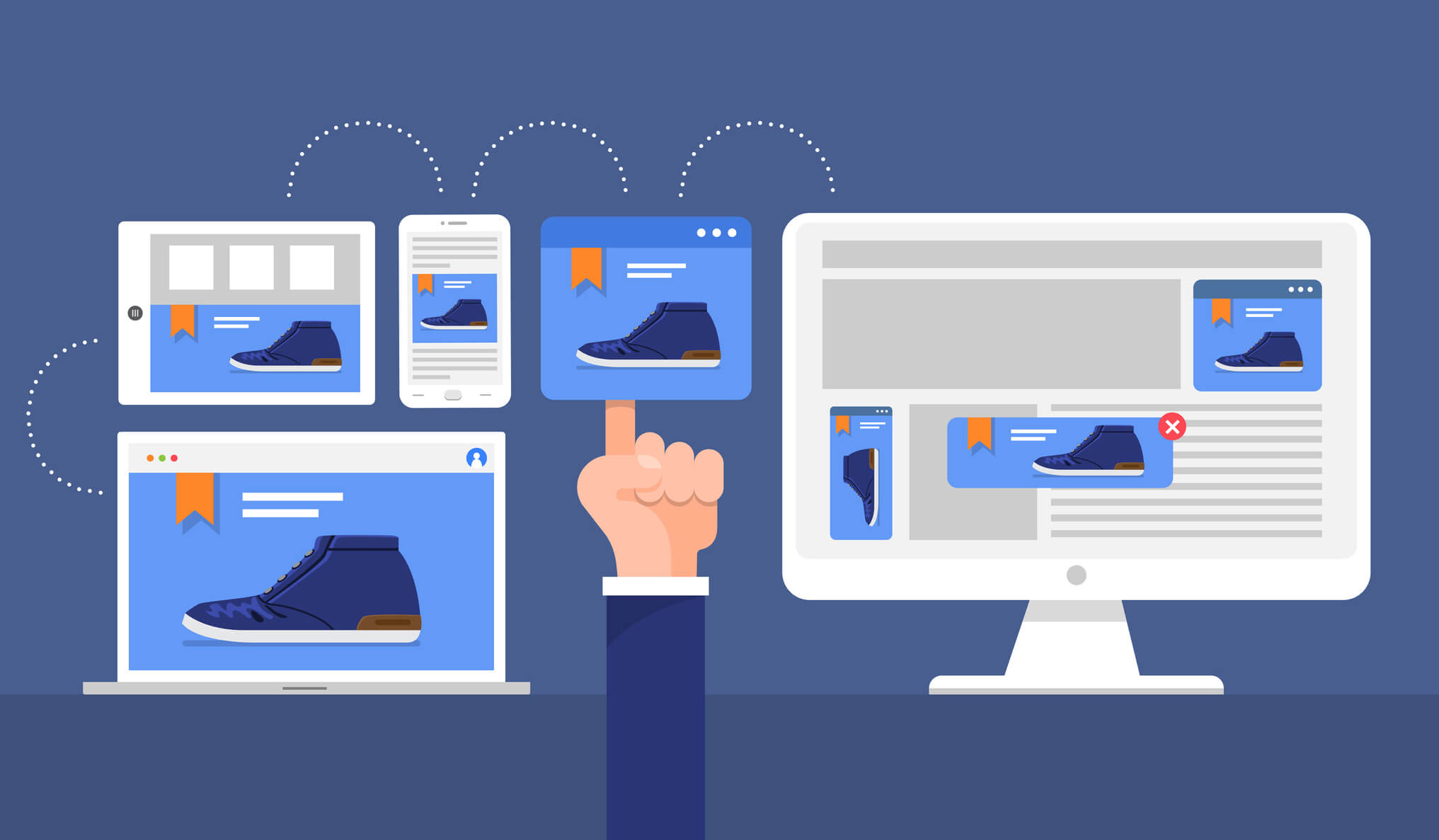
Retargeting is a digital advertising strategy that allows you to show ads specifically to people who have already interacted with your brand. These users may have visited your website, viewed a product, added items to their cart, or engaged with your social media content — but left before completing a desired action. Retargeting gives you a second opportunity to bring these high-intent visitors back and guide them toward conversion.How Retargeting Works (Pixels, Cookies, and Tracking Technology)
Retargeting relies on small pieces of tracking code — such as pixels or cookies — that are placed on your website or landing pages. According to Wikipedia, a retargeting pixel (sometimes called a tracking pixel) is a tiny, invisible image or script that allows advertisers to track user behavior across web pages (Wikipedia: Site Retargeting). This technology identifies users who have interacted with your content and places them into custom audience lists. When these users leave your site and continue browsing the internet, the advertising platform (like Meta, Google, TikTok, or display networks) can recognize them and show them tailored ads based on their previous activity. This is why a user who viewed a product often sees ads for that same product later — a core function of dynamic retargeting.Types of Retargeting: Site vs. Display Retargeting
✔ Site Retargeting
Site retargeting focuses on users who visited your website. Once the pixel captures their behavior, you can show them ads that match the pages they viewed — such as product listings, blog posts, or service pages. This is highly effective because it targets warm audiences who have already shown interest in what you offer.✔ Display Retargeting
Display retargeting uses banner ads, visual creatives, and dynamic product ads shown across websites, apps, and Google Display Network placements. These ads remind users of items they viewed or actions they didn’t complete — keeping your brand top-of-mind as they continue browsing online. Model your sales funnel after the e-commerce kings for maximum conversion.Benefits & Use Cases of Retargeting Campaigns
Retargeting campaigns deliver some of the highest conversion rates in digital advertising because they target users who have already shown intent. By reconnecting with people who viewed products, added items to their cart, or explored key pages, businesses can recover lost opportunities and significantly increase conversions. This includes recovering abandoned carts, encouraging repeat visits, and driving upsells or cross-sells. Research and industry practices highlight that retargeting is especially powerful for cart recovery, where even a small reminder or tailored message can lead to a major lift in completed purchases. Another major advantage of retargeting is its ability to produce a higher ROI compared to cold acquisition. Because you’re advertising to warm, engaged audiences, the cost per conversion is often much lower than targeting new visitors who know nothing about your brand. According to insights shared on PPC.org and Cybertek Marketing, retargeting ads typically see higher click-through rates and stronger engagement because they match the user’s previous behavior. This behavioral relevance ensures that ads feel personalized, timely, and directly connected to what the user wants—making them more effective and less intrusive. Retargeting is also incredibly versatile, making it valuable across nearly every industry. In e-commerce, it’s used heavily for dynamic product ads and cart recovery. For content-driven websites, retargeting helps bring readers back to offers, newsletters, or gated resources. In B2B, it supports lead nurturing by re-engaging visitors who checked pricing, service pages, or case studies but weren’t ready to convert on the first visit. Whether your goal is to close sales, build trust, or guide users deeper into the funnel, retargeting offers a reliable method for turning interest into meaningful action.Common Retargeting Strategies & Best Practices
Effective retargeting goes far beyond simply showing ads to previous visitors — it requires strategic segmentation, personalized messaging, optimized timing, and ongoing performance analysis. When executed correctly, these practices ensure your ads feel relevant, timely, and helpful rather than repetitive or intrusive. The following best-practice framework represents the core of high-performing retargeting campaigns used by top advertisers, supported by insights from industry sources such as Cybertek Marketing and PPC.org. By focusing on structured audience targeting, dynamic creative, proper ad frequency, consistent messaging, and robust analytics, businesses can build retargeting campaigns that not only recover lost conversions but also improve customer experience across the entire digital journey. Below are the essential strategies every brand should apply.Audience Segmentation
Audience segmentation is the foundation of every successful retargeting campaign. Instead of targeting all visitors with the same ads, brands should segment users based on specific behaviors — such as viewing a product page, adding an item to the cart, abandoning checkout, or reading multiple blog posts. According to Cybertek Marketing, segmenting your audience this way ensures your ads reflect where the user is in the funnel, increasing the chances of re-engagement and conversion. Once these segmented groups are created, each one should receive tailored ads designed to match their intent level. For example, a user who abandoned a cart may receive a reminder or incentive, while someone who read a blog post may receive an ad for a related guide or product category. When each segment gets highly relevant messaging, retargeting feels personalized and helpful — not repetitive or generic — dramatically boosting effectiveness. Drive multi-touchpoint attribution by tracking social hashtags alongside your ads.Personalized & Dynamic Ads
Personalized and dynamic ads take retargeting to the next level by automatically displaying the exact products or content users interacted with. PPC.org highlights that dynamic ads significantly improve clicks and conversions because they visually rematch users with the items they already viewed or added to their carts. This familiarity builds trust and reinforces the emotional connection the user had with the product, motivating them to return. Additionally, the copy and offers used in these ads should change based on user behavior. Someone who viewed a product might see an ad emphasizing benefits, while someone who abandoned a cart may see an urgency-driven message or a limited-time discount. By shaping each ad to reflect the user’s past behavior, brands create a highly relevant experience that increases the likelihood of bringing them back to complete the purchase.Frequency Capping & Timing Optimization
Without proper frequency capping, ads can appear too often and cause fatigue, irritation, or banner blindness. Cybertek Marketing stresses the importance of capping how many times the same user sees an ad within a set timeframe. This prevents oversaturation and ensures your retargeting campaign remains effective and positive rather than overwhelming or intrusive. Optimizing timing is equally critical. Some users respond best to immediate reminders — such as cart abandonment messages sent within minutes — while others need more time and respond better after a day or two. Testing different timing windows for each audience segment helps you find the ideal balance, ensuring your ads appear exactly when users are most likely to convert.Consistent Messaging & Matching Landing Pages
Consistency between your retargeting ad and the landing page is essential for building trust and reducing friction. When a user clicks a dynamic product ad, they should land directly on the product they viewed — not the homepage or a generic page. This “message match” significantly improves user experience by removing additional steps and keeping the user focused on completing the desired action. Brand consistency plays an equally important role. Colors, design language, tone of voice, and offers should remain aligned across ads and landing pages. Consistency makes your brand feel more reliable and professional, which builds trust and improves conversion rates. When messaging flows smoothly from ad to landing page, users feel confident taking the next step. A fast site with high UX scores converts retargeted users at a higher rate.Tracking, Analytics & Performance Monitoring
Tracking and analytics determine whether your retargeting strategy is actually working. Brands should monitor key metrics such as conversion rate, ROAS, cart recovery rate, frequency, and overall engagement to understand what resonates with users. Without accurate tracking, you could be wasting budget on segments or creatives that no longer perform. More importantly, the data you collect should inform ongoing optimization. Use insights from analytics to adjust your audience segments, refine your creative, tweak your bidding strategy, and modify timing or frequency. Retargeting is not a “set it and forget it” process — it requires continuous improvement based on performance. Brands that consistently optimize their campaigns find that retargeting becomes one of their most efficient and profitable marketing channels.How to Create a Google Retargeting Campaign (Step-by-Step Guide)
Creating a Google retargeting campaign requires proper setup, audience creation, tracking integration, and strategic optimization. When done correctly, it reconnects high-intent visitors with personalized ads across YouTube, Display Network, Gmail, and Search. Below is a clean, structured framework you can use in your article — consistent with your outline’s format.Install Google Tag / GA4 Tracking + Remarketing Tag
Setting up tracking is the first and most important step. Google uses the Google Tag (gtag.js) or Google Tag Manager to collect user behavior, page visits, cart actions, and other events needed for retargeting. Inside GA4, enable “Google Signals,” which allows Google to build detailed remarketing audiences using cross-device data. This ensures your retargeting lists are accurate and updated in real time. Once tracking is installed, connect GA4 to Google Ads. This allows you to share retargeting audiences, conversion events, and user behavior directly into your ad account. Without this integration, Google can’t identify which users visited your site or which actions they took — making retargeting impossible.Build Your Retargeting Audiences
Google lets you create highly specific segments based on user behavior — matching your earlier segmentation strategy (product views, cart adders, blog readers, checkout abandoners, etc.).Recommended Google retargeting audience lists:
- All website visitors (30–90 days)
- Product page viewers
- Cart adders
- Cart abandoners
- Checkout initiators
- Past purchasers (upsell)
- Blog readers / content consumers
- High-engagement users (time on site, multi-page)
Create a New Google Display (or Video) Retargeting Campaign
Inside Google Ads, click New Campaign → Goals → Sales / Leads / Website Traffic → Display or Video. Retargeting generally performs best on Google Display Network and YouTube, since these platforms allow you to visually re-engage users with banners or video ads based on the pages they visited. Choose your audience list(s) created in Step 2, then select your bidding strategy (e.g., Target CPA, Maximize Conversions, or Target ROAS). Warm audiences respond well to automated bidding because Google already knows their intent, making conversion optimization more efficient.Add Personalized & Dynamic Retargeting Ads
To maximize performance, upload creatives that match the user’s past behavior:Use Dynamic Remarketing (highly recommended):
- Google automatically shows users the exact products they viewed
- Ads dynamically update using product feed data
- Perfect for e-commerce and cart recovery
For general retargeting, create ads that:
- Remind users what they viewed
- Include urgency (“Low stock”, “Ends today”)
- Offer incentives (“10% off your cart”)
- Rebuild trust (reviews, guarantees, value props)
Apply Frequency Capping & Optimize Timing
To avoid overwhelming users, set frequency caps at the campaign or ad group level.- For cart recovery, show ads within 1–24 hours.
- For product views or blog readers, retarget over 7–30 days depending on purchase cycle.
Match Ads to Relevant Landing Pages
Ensure ads lead users to pages that reflect what they previously saw:- Cart ads → checkout page
- Product ads → exact product page
- Blog readers → related lead magnet or service page
Track Performance & Optimize
Monitor key retargeting KPIs:- Conversion rate
- ROAS
- Cart recovery rate
- Frequency
- View-through conversions
- Engagement (CTR, impressions)
How to Integrate Retargeting into a Larger Marketing Strategy
Retargeting delivers its strongest results when it works as part of a broader marketing ecosystem — not as a standalone tactic. When your SEO drives high-quality organic traffic, many users read your content, browse product pages, or compare services… but don’t convert on the first visit. Retargeting allows you to recapture that organic audience, serving personalized ads that bring them back at the perfect moment. This synergy between SEO and retargeting multiplies your ROI: your content brings in intent-driven visitors, and retargeting converts them. Another powerful integration is between retargeting and content marketing. For example, users who read blog posts can be retargeted with gated content, newsletter opt-ins, demo offers, or product-focused guides. This turns low-commitment readers into marketing-qualified leads (MQLs). It also expands the lifecycle of your content — instead of a single visit, each reader enters a tailored remarketing journey. This method is recommended by industry resources such as ADA Global for bridging informational content with paid conversion funnels. For e-commerce brands, retargeting enhances SEO-driven traffic by targeting returning users with cart reminders, product bundles, or category-level retargeting ads. When combined with CRO-optimized landing pages and structured on-site navigation (a core part of SEO), retargeting acts like a safety net that brings back comparison shoppers and abandoned carts. Integrated properly, it creates a full-funnel system: SEO attracts, paid ads re-engage, and your content nurtures — all working together to increase conversions, retention, and customer lifetime value.Why Choose AQ Agency
Choosing the right partner to manage your retargeting campaigns can make the difference between wasted budget and high-ROI results. AQ Agency specializes in designing, executing, and optimizing full-funnel retargeting strategies that integrate seamlessly with SEO and content marketing. With years of experience running campaigns across Google Display, YouTube, Facebook, Instagram, and other platforms, AQ ensures that every dollar spent drives measurable results, from recovered carts to increased conversions. AQ’s authority is backed by real-world success stories. Case studies show impressive outcomes, including higher cart recovery rates, improved conversion percentages, and significant ROI growth for clients across e-commerce, B2B, and content-driven industries. By sharing transparent results and metrics, AQ demonstrates not only expertise but also accountability, reinforcing trust with potential clients. The team at AQ holds certifications in PPC, analytics, and digital marketing, ensuring strategies are informed by the latest industry standards and best practices. Their workflow emphasizes transparency: clear audience segmentation, creative development aligned with user behavior, and consistent reporting frequency. By combining retargeting with organic SEO and content marketing, AQ offers a holistic digital marketing approach — not just ads — helping brands build lasting relationships with their audience while maximizing ROI.Conclusion
Retargeting campaigns are one of the most powerful tools in modern digital marketing when executed correctly. They allow businesses to reconnect with high-intent users, recover abandoned carts, increase conversions, and maximize the ROI of existing traffic. Done strategically, retargeting not only boosts immediate sales but also strengthens brand awareness and customer engagement over time.FAQs:
1. What is retargeting and how does it work?
Retargeting (also called remarketing) is a digital marketing strategy that targets users who previously visited your website or engaged with your brand. Using tracking pixels or cookies, advertisers can display personalized ads across platforms to remind users of products, services, or content they interacted with, encouraging them to return and convert.2. What is the difference between display retargeting and remarketing?
Remarketing is a broad term that includes any method of re-engaging past visitors, such as email or search ads. Display retargeting specifically uses visual banner ads shown across websites, apps, and networks like Google Display to bring users back. Both aim to reconnect with high-intent audiences but differ in format and platform.3. How do cart recovery ads work?
Cart recovery ads target users who added items to their online shopping cart but left without completing the purchase. These ads can display the exact products the user abandoned, offer discounts, or create urgency. Dynamic retargeting often automates this process, showing personalized ads based on user behavior.4. Who should use retargeting campaigns?
Retargeting is ideal for any business that wants to increase conversions and ROI from existing traffic. E-commerce stores benefit from cart recovery ads, content websites can re-engage readers, and B2B companies can nurture leads who viewed pricing or services but didn’t convert on the first visit.5. How can retargeting improve my marketing ROI?
Retargeting focuses on warm, high-intent audiences rather than cold traffic. This increases the likelihood of conversions, reduces wasted ad spend, and complements other channels such as SEO, content marketing, and email campaigns. According to industry sources like PPC.org and Cybertek Marketing, retargeted users are more likely to engage and convert than new visitors.6. How often should users see retargeting ads?
Frequency capping is important to prevent ad fatigue. Most businesses set limits on how many times a single user sees an ad within a day or week. Timing can vary: cart abandonment ads perform best within 24 hours, while general product or content retargeting can be stretched across 7–30 days depending on the purchase cycle.7. How do I measure the success of a retargeting campaign?
Key metrics include conversion rate, return on ad spend (ROAS), cart recovery rate, click-through rate (CTR), and engagement. Tracking these KPIs allows marketers to refine audience segments, adjust ad creative, optimize timing, and ensure campaigns deliver maximum ROI.8. Can retargeting work with organic SEO traffic?
Yes. Retargeting complements SEO by re-engaging visitors who landed on your site via organic search. For example, blog readers can be retargeted with downloadable guides, newsletter opt-ins, or product offers. This creates a full-funnel approach where organic content drives traffic and retargeting converts it.9. Why should I hire an agency like AQ for retargeting campaigns?
Experienced agencies like AQ provide end-to-end retargeting services, including audience segmentation, dynamic ad creation, frequency optimization, analytics, and reporting. AQ also integrates retargeting with SEO and content marketing, delivering a holistic strategy that maximizes ROI while saving your team time and resources.
Recent Posts
abdelrahman.qazaer@gmail.com/0 Comments
Long-Form Video Content: The Ultimate Guide for Marketers

abdelrahman.qazaer@gmail.com/0 Comments
Visual Design in Ads

abdelrahman.qazaer@gmail.com/0 Comments