


December 22, 2025
/
Long-Tail Keywords: The Ultimate Guide for SEO Success
In today’s highly competitive digital landscape, simply relying on generic, short-tail keywords is no longer enough. To stand out, increase targeted traffic, and boost conversions, marketers and website owners are turning to long-tail keywords.
From my experience as an SEO strategist, focusing on long-tail keywords can transform the way you attract audiences. Unlike broad keywords that generate high traffic but low engagement, long-tail keywords are specific phrases that match exactly what users are searching for. This guide will explore what long-tail keywords are, provide examples, explain their benefits, and show you exactly how to use them effectively.
By the end of this article, you will have a comprehensive understanding of long-tail keywords research and be equipped with actionable strategies to target long-tail keywords for your website’s SEO success.
What Are Long-Tail Keywords?
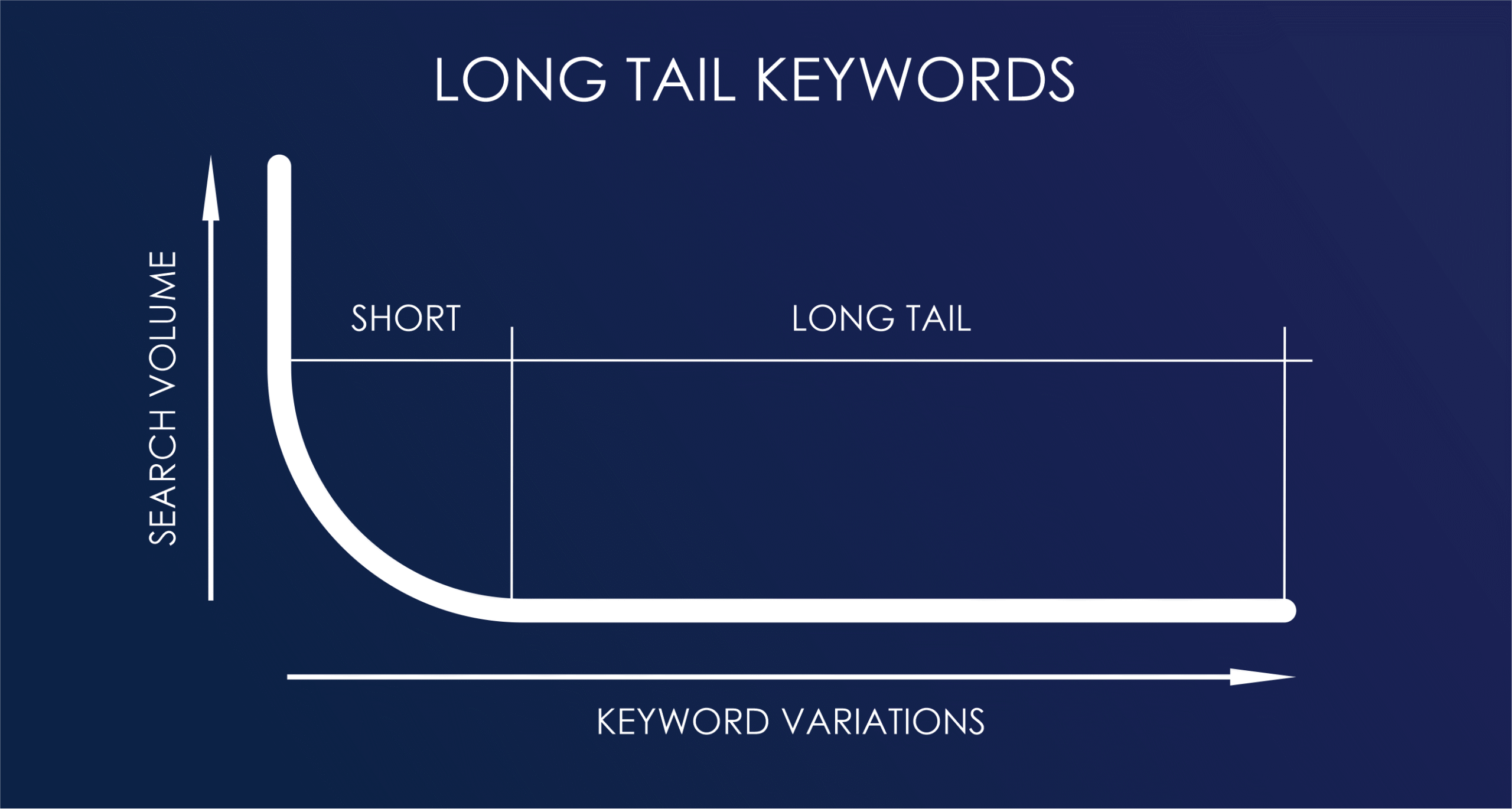
Long-tail keywords are specific, highly-targeted keyword phrases that usually contain three or more words. Unlike broad or “short-tail” keywords (like “shoes” or “SEO”), long-tail keywords focus on a precise topic or user intent. This specificity makes them less competitive and more likely to attract visitors who are ready to take action—whether that’s making a purchase, signing up for a newsletter, or finding detailed information.Short-Tail vs. Long-Tail Keywords
- Short-tail keywords: Broad, one or two words (e.g., “SEO” or “shoes”)
- Long-tail keywords: Specific, three or more words (e.g., “best SEO strategies for small businesses” or “women’s running shoes size 8”)
What Are Long-Tail Keywords Examples
Here are some practical examples of long-tail keywords:- “how to bake chocolate chip cookies without eggs”
- “best smartphones under $300 in 2025”
- “affordable SEO services for small businesses”
- “how to train a puppy to stop barking at night”
Discover more about organizing your SEO foundation for maximum impact with Keyword Mapping.
The Benefits of Using Long-Tail Keywords
The benefits of using long-tail keywords are numerous, making them an essential part of any SEO strategy. Here’s why they matter:1. Higher Conversion Rates
Users searching with long-tail keywords know exactly what they want. By targeting these specific queries, you’re more likely to convert visitors into customers. For example, a user searching for “buy waterproof hiking boots size 10” is far closer to making a purchase than someone searching for just “boots.”2. Less Competition
Unlike broad keywords, long-tail keywords are easier to rank for. This is especially beneficial for new websites or small businesses trying to compete against established competitors. Focusing on specific phrases allows you to achieve higher search engine rankings faster.3. Better User Intent Alignment
Long-tail keywords reflect the exact intent of the searcher. Whether the user wants information, a product, or a service, targeting these phrases ensures your content matches their needs.4. Cost-Effective Paid Advertising
If you’re running PPC campaigns, targeting long-tail keywords can reduce costs. These keywords are less competitive, which typically results in a lower cost-per-click (CPC) while attracting highly-qualified leads.5. Enhanced Content Strategy
Using long-tail keywords allows you to create content that answers specific questions. This improves engagement, dwell time, and can increase the likelihood of ranking for multiple related search queries.Discover more about ranking for topics, not just keywords, with advanced Semantic SEO.
How to Do Long-Tail Keywords Research
To reap the benefits of long-tail keywords, you need to know how to do long-tail keywords research effectively. Proper research ensures that your content targets phrases that users are actively searching for.1. Start With Your Main Topic
Identify the main topic or product your content focuses on. For example, if you sell skincare products, your main topic might be “organic face cream.”2. Use Keyword Research Tools
Leverage tools like:- Google Keyword Planner: Provides keyword ideas and search volume.
- Ahrefs: Offers extensive keyword metrics and competitor analysis.
- SEMrush: Shows keyword difficulty, trends, and related long-tail phrases.
- Ubersuggest: Generates keyword ideas and content suggestions.
3. Analyze Search Suggestions
Google’s autocomplete and related searches provide excellent insights into what people are searching for. Start typing your main topic and observe the suggested long-tail phrases.4. Study Competitors
Analyze your competitors’ websites to see which long-tail keywords they are ranking for. Tools like Ahrefs and SEMrush can help you identify their high-performing content.5. Prioritize Keywords by Intent
Focus on long-tail keywords that match the searcher’s intent:- Informational: “how to fix a leaking faucet”
- Transactional: “buy stainless steel faucet online”
- Navigational: “Home Depot faucet installation guide”
Discover more about transforming your articles into search engine favorites with our Blog Post Optimization checklist.
How to Use Long-Tail Keywords in Your SEO Strategy
Knowing how to use long-tail keywords correctly is key to driving results. Improper use can reduce effectiveness or even harm your rankings.1. Optimize Your Content Naturally
Incorporate long-tail keywords into your content naturally. Avoid keyword stuffing, which can harm readability and SEO performance. Use the keyword in:- Title tags
- Meta descriptions
- H1 and H2 headings
- Content body
- URL slugs
2. Use Variations and LSI Keywords
Search engines understand synonyms and related terms. Include variations of your long-tail keyword to cover more search queries.3. Target Long-Tail Keywords on Specific Pages
Each page should target a unique long-tail keyword or a closely related set of phrases. For example:- Blog post: “how to use long-tail keywords for e-commerce SEO”
- Product page: “buy wireless noise-canceling headphones online”
4. Answer Questions Directly
Many long-tail searches are questions. Create content that answers these queries in a clear, structured way. This increases your chances of appearing in featured snippets.5. Track and Refine Your Strategy
Use analytics tools like Google Search Console to monitor which long-tail keywords are driving traffic and conversions. Refine your strategy based on performance metrics.Common Mistakes to Avoid With Long-Tail Keywords
Even experienced marketers sometimes make mistakes with long-tail keywords. Avoid these pitfalls:- Targeting Irrelevant Keywords: Always ensure the keyword matches the content’s purpose and user intent. Irrelevant keywords can lead to high bounce rates.
- Ignoring Search Volume: While long-tail keywords are more specific, targeting phrases with extremely low search volume may not drive meaningful traffic. Balance specificity with potential audience size.
- Over-Optimization: Stuffing content with long-tail keywords can negatively impact readability and SEO. Focus on providing value while integrating keywords naturally.
- Neglecting Analytics: Failing to monitor performance prevents optimization. Track which keywords drive traffic, engagement, and conversions.
Discover more about streamlining your workflow and gaining insights with the best SEO Tools.
Advanced Tips for Long-Tail Keywords
For marketers ready to take their SEO to the next level, these advanced strategies can help maximize the impact of long-tail keywords:- Target Voice Search: Use natural, conversational long-tail phrases and include FAQs.
- Use in Paid Campaigns: Choose specific phrases to attract qualified leads and lower CPC.
- Build Topic Clusters: Link long-tail pages to a pillar page to boost authority.
- Generate Content Ideas: Use questions and long-tail keywords to create engaging blog topics.
- Track Performance: Monitor rankings, traffic, and clicks to refine your strategy.
- Optimize for Local SEO: Include location-specific long-tail keywords to capture local searches.
- Combine with Semantic SEO: Use synonyms and related phrases to help search engines understand context.
Long-Tail Keywords Case Study: Real-Life Example
Consider a small e-commerce store selling fitness gear. Instead of targeting the broad keyword “yoga mat,” the store could focus on long-tail keywords like:- “eco-friendly yoga mat for beginners”
- “non-slip yoga mat for hot yoga”
- Rank faster due to lower competition
- Attract customers closer to purchase
- Increase conversion rates and ROI
Discover more about capturing the future of search queries with Voice Search Ads.
Conclusion
Mastering long-tail keywords is a game-changer for any SEO strategy. By understanding what long-tail keywords are, performing effective long-tail keywords research, and knowing how to use long-tail keywords in your content, you can attract highly-targeted traffic, increase conversions, and strengthen your website’s authority. Implementing both basic and advanced strategies like optimizing for voice search, creating topic clusters, and tracking performance ensures your SEO efforts are precise and impactful. For businesses and marketers looking to elevate their SEO strategy and achieve measurable results, Above-Quality provides expert guidance, innovative tools, and tailored solutions to help you leverage long-tail keywords effectively. Trust Above-Quality to transform your SEO approach and drive sustainable growth.
Recent Posts

abdelrahman.qazaer@gmail.com/0 Comments
Long-Form Video Content: The Ultimate Guide for Marketers

abdelrahman.qazaer@gmail.com/0 Comments
Visual Design in Ads

abdelrahman.qazaer@gmail.com/0 Comments