


Story Ads: The Ultimate Guide to Engaging Social Media Content
December 31, 2025
/
Story Ads: The Ultimate Guide to Engaging Social Media Content
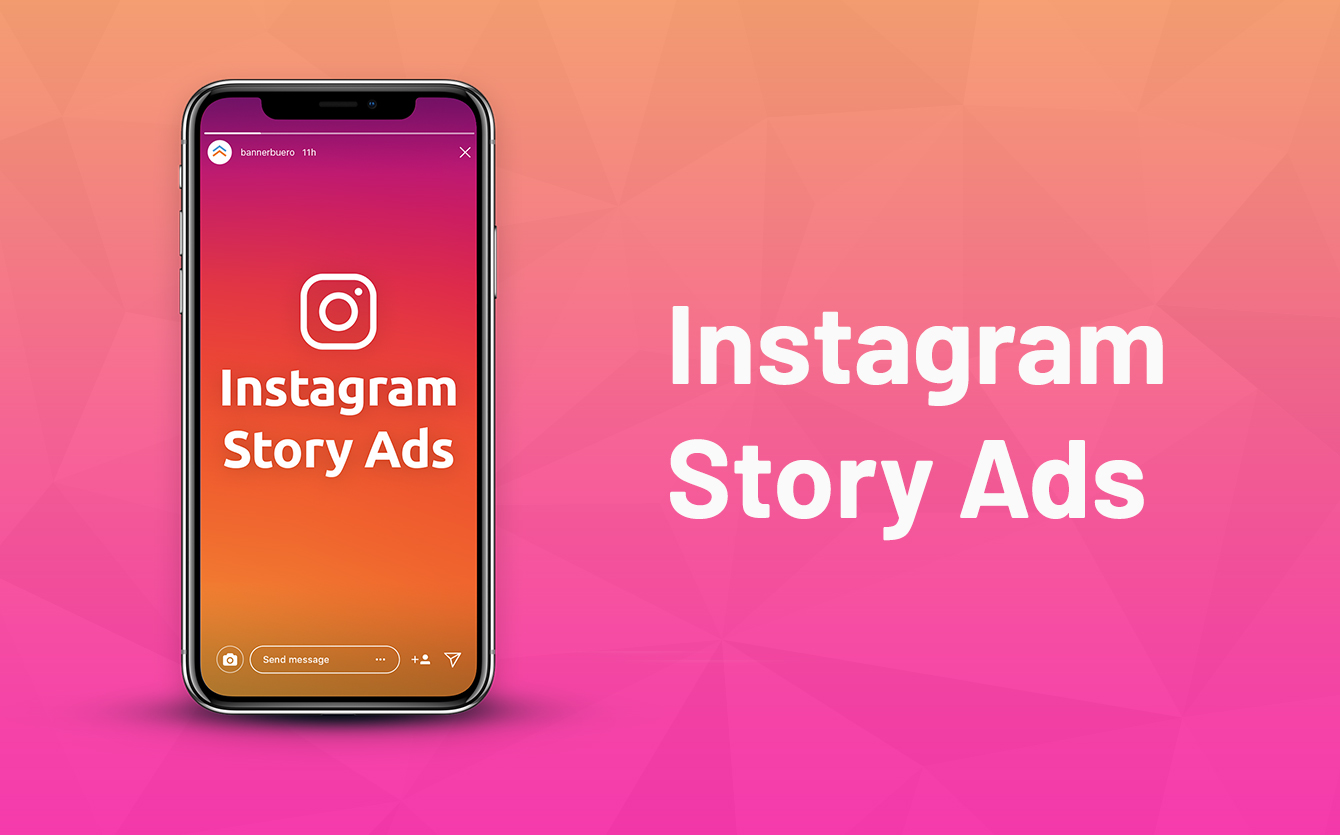
In the fast-paced world of social media marketing, Story Ads have emerged as one of the most effective tools to capture attention and drive engagement. Unlike traditional feed ads, story ads are full-screen, immersive, and temporary, giving brands a unique opportunity to tell a compelling narrative that resonates with audiences. With billions of users engaging with stories daily on platforms like Instagram, Facebook, Snapchat, and TikTok, mastering story ads can be a game-changer for businesses of all sizes.
This guide explores everything you need to know about Story Ads, from definitions and benefits to creation, best practices, and measuring success, all while following the E-E-A-T principles: Experience, Expertise, Authoritativeness, and Trustworthiness.
1. What Are Story Ads?
Story Ads are advertisements that appear within the “Stories” section of social media platforms. Stories are short, vertical, full-screen pieces of content that disappear after 24 hours (unless saved as highlights). Story ads blend seamlessly into organic content, providing a non-intrusive, immersive experience for users. Unlike feed ads, which appear in the scrolling timeline, story ads are designed to capture attention instantly. They often include interactive elements like polls, swipe-ups, or links to websites, making them highly engaging. Platforms supporting story ads include:- Instagram Stories Ads: Full-screen photos or videos with swipe-up links and interactive stickers.
- Facebook Stories Ads: Vertical videos or images integrated with Facebook’s ad targeting tools.
- Snapchat Story Ads: Engaging, creative formats with augmented reality (AR) filters.
- TikTok Story Ads: Short videos optimized for vertical viewing, blending seamlessly with organic TikTok content.
Discover more about capturing attention with engaging Short Form Video strategies.
Benefits of Using Story Ads
Story ads are popular among marketers because they offer unique advantages that traditional ads often lack:Higher Engagement Rates
Full-screen, immersive content captures attention better than scrollable feed ads. Users are more likely to watch and interact with story ads.FOMO (Fear of Missing Out)
Because stories are temporary, they create urgency. Users feel compelled to engage immediately, boosting interaction and conversions.Stronger Brand Storytelling
Story ads allow brands to convey their message in a narrative format, helping users connect emotionally. This leads to increased brand recall and loyalty.Mobile-First Design Advantage
Stories are designed for vertical viewing on mobile devices, aligning perfectly with user habits and ensuring optimal visual presentation.Cost-Effective Marketing
Story ads can reach large audiences with precise targeting, often at lower costs compared to other ad formats. Experience Insight: Brands like Nike, Sephora, and Airbnb have successfully leveraged story ads to showcase products, promotions, and experiences, resulting in higher engagement and sales.Discover more about reaching a targeted audience through effective Instagram Sponsored Posts.
Types of Story Ads
Story ads come in various formats, each suited to different marketing objectives:1. Photo Story Ads
Simple images with text overlays, brand logos, and call-to-actions (CTAs). Effective for product announcements or promotions.2. Video Story Ads
Short videos (usually 10–15 seconds) that demonstrate products, share stories, or provide tutorials. Videos tend to generate higher engagement than static images.Discover more about dominating the platform with a winning Reels Strategy.
3. Polls and Interactive Story Ads
Engage users with polls, quizzes, or emoji sliders. These interactive elements increase user participation and provide valuable insights into audience preferences.4. Swipe-Up / Link Ads
Story ads with swipe-up functionality direct users to websites, landing pages, or product pages, driving traffic and conversions.5. AR / Filter-Based Story Ads
Augmented reality filters or branded lenses create fun, immersive experiences that encourage sharing and virality. Authority Tip: Highlighting real-life campaigns, such as Sephora’s interactive makeup try-on filters, reinforces credibility and demonstrates the effectiveness of these formats.How to Create Effective Story Ads
To create effective story ads, focus on key elements that capture attention and drive engagement, such as a strong hook, clear and concise messaging, eye-catching visuals, a compelling call-to-action, and audience interaction.1. Understand the Platform and Format
Story ads are designed for platforms like Instagram, Facebook, Snapchat, and TikTok, which are vertical, full-screen, and temporary (usually 24 hours). Understanding the platform’s specifications ensures your creative fits perfectly and looks professional. Key points include:- Aspect ratio: 9:16 vertical format
- Duration: 5–15 seconds per slide for optimal engagement
- Interactive features: Stickers, polls, swipe-up links (if available), and CTAs
2. Start with a Hook
The first few seconds are crucial. Grab attention immediately with:- Bold visuals or colors
- Intriguing text overlay
- A question, statistic, or statement that sparks curiosity
3. Keep It Short and Clear
Story ads thrive on brevity:- Limit text to a few words per slide
- Focus on one key message per story
- Avoid clutter or complex visuals that can confuse viewers
4. Use Engaging Visuals
Visuals are the heart of story ads. Use:- High-quality images or videos
- Motion graphics or animations to stand out
- Branding elements (logos, brand colors) without overshadowing the message
5. Include a Strong Call-to-Action (CTA)
A clear CTA drives user action. Examples include:- “Swipe up to shop”
- “Tap to learn more”
- “Sign up now for exclusive access”
6. Leverage Interactive Features
Most story platforms allow interactive elements to increase engagement:- Polls, quizzes, or sliders for opinions
- Stickers or GIFs to emphasize key points
- Links or “swipe-up” for direct conversions
7. Test, Analyze, and Optimize
To create truly effective story ads:- Test multiple variations (A/B testing) of visuals, hooks, and CTAs
- Monitor metrics: reach, completion rate, engagement, and conversions
- Optimize based on data to improve future performance
Best Practices for Story Ads
While story ads are highly effective, certain practices maximize their impact:- Keep It Short and Attention-Grabbing: Users scroll quickly; capture their interest in the first 2–3 seconds.
- Use Captions for Sound-Off Viewers: Many users watch without sound, so include readable text.
- Maintain Branding Consistency: Ensure that all story ads reflect your brand’s voice, colors, and style.
- Post at Peak Engagement Times: Analyze your audience behavior to post when they are most active.
- Track Analytics and Iterate: Monitor performance metrics like views, swipe-ups, and conversions to continuously improve campaigns.
Measuring Success of Story Ads
To evaluate the effectiveness of story ads, focus on key metrics:- Views / Impressions: How many users watched the story.
- Engagement Rate: Interactions with polls, quizzes, or swipe-ups.
- Conversions / Click-Through Rate (CTR): Users who completed the desired action.
- Retention and Completion Rate: How many users watched the full story.
Conclusion
Story ads are a powerful tool for brands to connect with audiences, drive engagement, and boost conversions in today’s mobile-first social media landscape. By understanding the types of story ads, following best practices, avoiding common mistakes, and tracking performance, marketers can create impactful campaigns that resonate with their target audience. For businesses seeking professional support, Above-Quality is a specialized company in creating high-quality, effective story ads. With their expertise in design, strategy, and social media marketing, Above-Quality helps brands craft immersive stories that capture attention and convert viewers into loyal customers.
Recent Posts
abdelrahman.qazaer@gmail.com/0 Comments
Long-Form Video Content: The Ultimate Guide for Marketers

abdelrahman.qazaer@gmail.com/0 Comments
Visual Design in Ads

abdelrahman.qazaer@gmail.com/0 Comments