


What is Real Estate App Development
December 31, 2025
/
What is Real Estate App Development
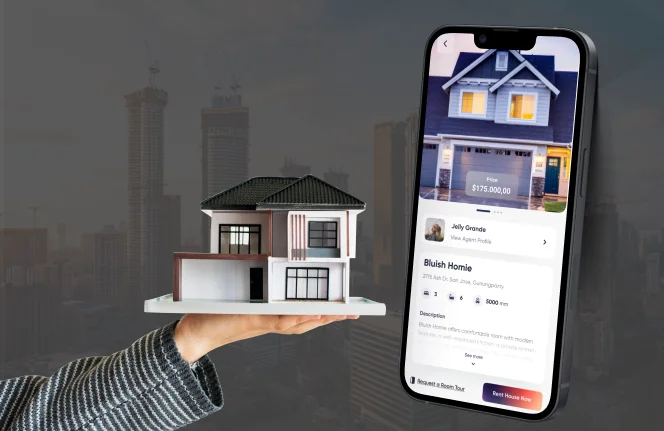
In today’s digital-first world, the real estate industry is transforming at an unprecedented pace. With buyers, sellers, and renters increasingly relying on mobile technology, real estate companies must embrace digital solutions to stay competitive. One of the most impactful ways to do this is through real estate app development. Mobile apps empower real estate professionals to manage properties efficiently, reach clients directly, and enhance the overall property browsing experience.
The demand for real estate apps is skyrocketing. According to a report by Statista, mobile property searches have increased by over 70% in the last five years. This trend underscores the necessity for real estate businesses to adopt mobile solutions. Whether you’re a startup, an established agency, or an investor, understanding how to develop a successful real estate app is critical. This comprehensive guide will explore the benefits, types, features, technology, cost, and best practices for real estate mobile app development.
Why Real Estate Companies Need a Mobile App
Real estate is a competitive and fast-moving industry. Traditional methods of managing listings, contacting clients, and tracking property sales are no longer sufficient. A mobile app can streamline operations, improve client engagement, and create new revenue opportunities. Key Benefits of Real Estate Apps:- Enhanced Client Engagement: Push notifications, instant messaging, and personalized recommendations keep clients informed and engaged.
- Efficient Property Management: Real-time updates and centralized databases simplify listing management for agents and brokers.
- Lead Generation: Integrated forms and call-to-action buttons convert app users into leads efficiently.
- Market Insights: Apps can provide analytics on property views, client behavior, and trending locations, helping businesses make informed decisions.
- 24/7 Accessibility: Mobile apps allow clients to explore listings anytime, anywhere, enhancing convenience and satisfaction.
Types of Real Estate Apps
Understanding the types of apps helps businesses define their goals and choose the right features. Real estate apps can broadly be categorized into three main types:1. Property Listing Apps
These apps allow users to browse available properties for sale or rent. They often include search filters, maps, photos, virtual tours, and contact options. Popular Examples: Zillow, Realtor.com, Housing.com Features:- Advanced search filters (price, location, property type)
- Interactive maps
- Photo galleries and 3D tours
- Favorite and comparison lists
2. Real Estate CRM Apps
Customer Relationship Management (CRM) apps focus on helping agents manage clients, leads, and sales pipelines efficiently. Features:- Client tracking and segmentation
- Automated reminders and notifications
- In-app messaging with clients
- Integration with email and calendar systems
Discover more about building innovative solutions with Mobile App Development.
3. Property Management Apps
These apps are tailored for landlords and property managers to handle multiple properties, tenants, and maintenance requests from a single platform. Features:- Lease management
- Payment collection and invoicing
- Maintenance request tracking
- Tenant communication
Discover more about launching your online store with custom E-commerce Development.
Key Features of a Successful Real Estate App
Developing a real estate app requires careful planning and a clear understanding of user needs. Here are the must-have features:1. User-Friendly Search & Filters
Users should be able to filter properties by location, price, type, and amenities easily. A seamless search experience encourages longer app usage and higher engagement.2. Virtual Tours and 3D Viewings
With virtual tours, 3D floor plans, and augmented reality (AR), users can explore properties remotely, saving time for both clients and agents.3. Push Notifications & Alerts
Keep users informed about new listings, price changes, and open house events. Notifications improve user retention and engagement.4. In-App Messaging and Chatbots
Instant communication with agents or automated chatbots can answer client queries promptly, enhancing trust and satisfaction.5. Payment & Booking Integration
For rental and booking apps, integrating secure payment gateways ensures smooth financial transactions within the app. Expert Insight: Top apps like Zillow and Redfin invest heavily in UX/UI to ensure users have an intuitive experience, which directly impacts engagement and retention rates.Discover more about connecting your systems with expert API Development.
How Real Estate App Development Works
Developing a real estate app involves a structured process that ensures the final product is user-friendly, secure, and scalable. Each step plays a critical role in delivering an app that meets both business and user needs.1. Requirement Analysis & Planning
The first step in real estate app development is requirement analysis and planning. During this phase, the development team works closely with stakeholders to define the app’s objectives, target audience, and desired features. They identify whether the app will be a property listing app, a CRM for agents, or a property management platform. Competitor research is also conducted to uncover industry gaps and opportunities. A detailed project roadmap is created, including timelines, milestones, and budget allocation, which ensures the project stays on track and avoids scope creep.2. UI/UX Design
UI/UX design is crucial for creating a seamless user experience. Designers develop wireframes and prototypes to visualize the app’s layout and functionality. The interface should be intuitive, allowing users to navigate easily between property listings, search filters, and contact options. Special attention is given to designing interactive elements like swipeable property cards, maps, and virtual tours. Optimizing for various screen sizes, from smartphones to tablets, is essential to ensure a smooth experience for all users. A well-designed UI/UX directly impacts user engagement and retention.3. Frontend & Backend Development
Once the design is approved, developers start coding the app. Frontend development handles everything users interact with, including screens, buttons, and forms. Technologies like Flutter, React Native, Swift, or Kotlin are commonly used. Meanwhile, backend development manages data storage, server-side logic, and API integration. The backend ensures smooth handling of property databases, user authentication, real-time updates, and push notifications. Together, frontend and backend development create a functional, responsive, and reliable real estate app.4. Integration with Third-Party Services (APIs)
Most real estate apps require additional functionalities that can be added through third-party APIs. These may include maps and geolocation services like Google Maps for property locations, payment gateways such as Stripe or PayPal for transactions, and analytics tools like Firebase to track user behavior. Advanced apps may integrate AR/VR APIs to provide virtual property tours. Using trusted third-party services reduces development time, ensures reliability, and enhances the app’s capabilities.5. Testing & Quality Assurance (QA)
Testing and quality assurance are critical to ensure the app works flawlessly before launch. Functional testing verifies that all features, such as search filters, messaging, and payments, operate correctly. Usability testing checks that the app is intuitive and easy to navigate. Performance testing ensures the app loads quickly and handles high traffic, while security testing protects sensitive user data. Rigorous QA helps prevent crashes, bugs, and vulnerabilities, which builds trust and credibility with users.6. Deployment & Launch
After successful testing, the app is deployed to app stores, such as the Apple App Store and Google Play Store. Developers ensure that the app meets all store guidelines and that metadata like descriptions, screenshots, and keywords are optimized for search visibility. Server infrastructure is also tested to handle initial user traffic. A smooth launch ensures a positive first impression, high download rates, and strong user engagement from the start.7. Post-Launch Support & Maintenance
Launching the app is only the beginning. Post-launch support and maintenance are essential for long-term success. This includes fixing bugs, updating the app for new OS versions, adding new features based on user feedback, and optimizing performance. Regular updates enhance user experience, improve app ratings, and ensure the app remains competitive in the dynamic real estate market. Continuous maintenance also protects against security vulnerabilities and ensures compliance with privacy regulations.Discover more about maximizing your results with professional Conversion Rate Optimization.
Challenges in Real Estate App Development
Developing a real estate app is not without challenges. Companies must address these issues to ensure success:- User Engagement & Retention: Apps must offer value to users to keep them coming back.
- Data Security & Privacy Compliance: Protect sensitive user data and comply with GDPR or local regulations.
- Integration Complexity: Combining multiple services, APIs, and databases can be technically challenging.
- Scalability: Apps must handle increasing users and listings without performance issues.
Best Practices for Real Estate Apps
To build a high-performing app, follow these proven practices:- Prioritize UX/UI: Ensure intuitive navigation and fast load times.
- Implement AI & AR Features: Personalized property recommendations and virtual tours enhance user experience.
- Optimize Performance: Minimize crashes and lag by using efficient coding and cloud services.
- Regular Updates: Respond to user feedback and introduce new features to maintain relevance.
Choosing a Real Estate App Development Company
Selecting the right company for real estate app development is essential to ensure your app is functional, secure, and user-friendly. When evaluating potential developers, consider their experience in the real estate industry, the quality of their portfolio, and client feedback. A professional team should offer post-launch support, maintenance, and updates to keep your app running smoothly. It is also important to check whether the company follows the latest best practices in mobile app development and understands the unique needs of real estate businesses. One trusted partner in this field is Above-Quality, known for delivering high-performance and feature-rich real estate apps. They combine technical expertise with a user-centered design approach to create apps that engage users, streamline property management, and boost business growth. By choosing a reputable developer like Above-Quality, you ensure your app is built with precision, meets industry standards, and provides a seamless experience for both clients and real estate professionals. Their proven track record makes them a reliable choice for turning real estate app ideas into effective digital solutions.Discover more about understanding your customers with Customer Journey Mapping.
Conclusion
Real estate is evolving rapidly, and mobile apps are at the forefront of this transformation. Real estate app development allows companies to streamline operations, engage clients effectively, and stay competitive in a tech-driven market. From defining app types and features to choosing the right technology and development partner, each step is crucial for success. By following this comprehensive guide, real estate businesses can confidently plan and launch mobile apps that deliver value to both agents and clients. Whether you’re looking to create a simple property listing app or an advanced, AI-powered property management platform, investing in the right development strategy is essential. Ready to transform your real estate business with a powerful mobile app? Start planning today with experienced developers who understand your needs.
Recent Posts

abdelrahman.qazaer@gmail.com/0 Comments
Long-Form Video Content: The Ultimate Guide for Marketers

abdelrahman.qazaer@gmail.com/0 Comments
Visual Design in Ads

abdelrahman.qazaer@gmail.com/0 Comments