


Real-Time Marketing: The Ultimate Guide for 2025
December 25, 2025
/
Real-Time Marketing: The Ultimate Guide for 2025
In today’s fast-paced digital world, Real-Time Marketing (RTM) has emerged as one of the most powerful strategies for brands to engage audiences instantly. Unlike traditional marketing, which relies on pre-planned campaigns, real-time marketing is about reacting to events, trends, or moments as they happen, creating content that resonates immediately with your target audience.
Whether it’s a trending meme, a breaking news story, or a viral social media challenge, brands that master real-time marketing can achieve unprecedented engagement, visibility, and brand loyalty. Companies like Oreo, Netflix, and Spotify have famously leveraged real-time opportunities to make their marketing campaigns not only relevant but memorable.
Two key strategies often used in real-time marketing are trendjacking and moment marketing. Trendjacking involves jumping on popular trends to amplify your brand’s reach, while moment marketing focuses on creating content around current events or timely opportunities to engage your audience.
This guide will provide a comprehensive, step-by-step approach to real-time marketing, including strategies, tools, examples, challenges, and best practices. By the end of this article, you’ll have everything you need to leverage real-time marketing effectively and ethically.
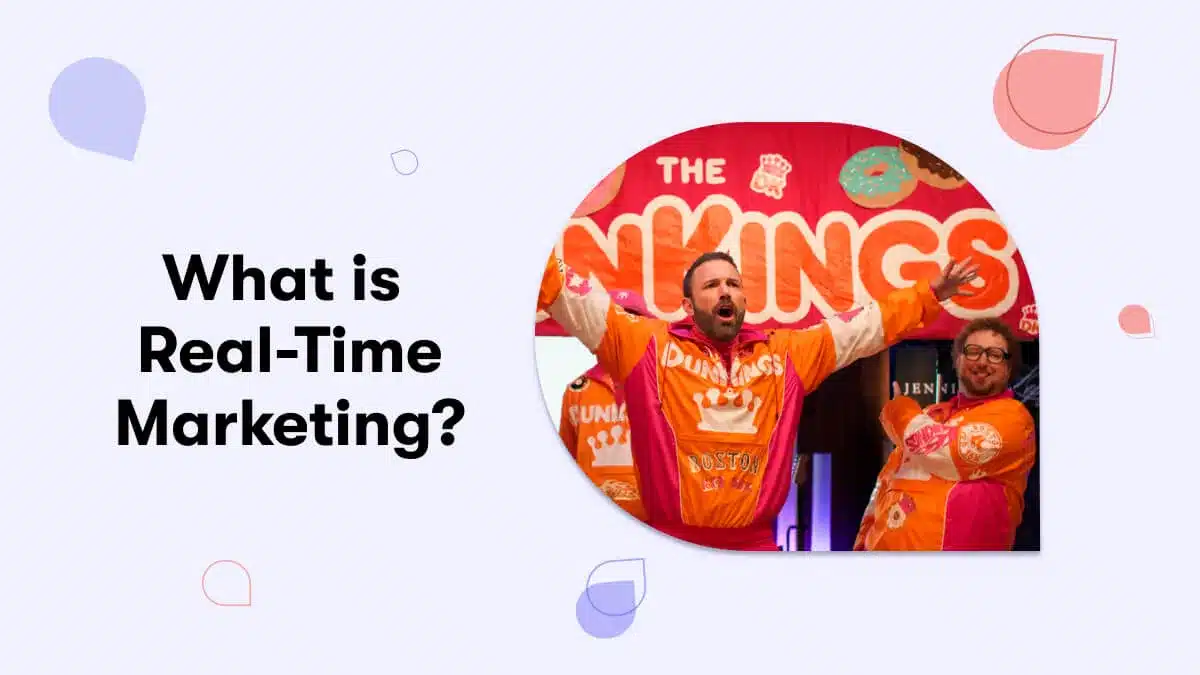
What is Real-Time Marketing?
Real-Time Marketing (RTM) is a marketing strategy that focuses on creating and delivering content or messages instantly in response to current events, trends, or consumer behavior. Unlike traditional marketing, which relies on pre-planned campaigns, RTM allows brands to engage their audience in the moment, making messages timely, relevant, and highly shareable.Key Features of Real-Time Marketing
- Immediate Response: Campaigns are launched quickly, often within hours of an event or trend.
- Relevance: Content aligns with what’s happening in culture, news, or online conversations.
- Engagement: RTM encourages high interaction through likes, shares, comments, and other forms of social engagement.
- Agility: Marketing teams must be flexible and ready to adjust campaigns as situations evolve.
Examples
- Trendjacking: Leveraging a trending topic, meme, or viral moment to promote your brand.
- Moment Marketing: Reacting to real-world events like holidays, sports victories, or breaking news to engage audiences.
Discover more about understanding your audience through active Social Listening.
Benefits of Real-Time Marketing
Real-time marketing offers a range of advantages that traditional marketing campaigns often struggle to achieve. Let’s explore the key benefits.1. Enhanced Engagement
By leveraging trending topics and live events, brands can spark conversations with their audience. Real-time content tends to generate more shares, likes, and comments because it resonates immediately with what people are already interested in.2. Increased Brand Relevance
Brands that can respond to trends or moments show that they are aware, current, and culturally savvy. This builds credibility and positions the brand as active in today’s market conversations.3. Boosted ROI
Because real-time marketing often relies on quick, timely content rather than expensive, long-planned campaigns, brands can see higher ROI from minimal investments. Viral campaigns can reach millions at a fraction of the cost.4. Strengthened Brand Loyalty
Consumers feel more connected to brands that interact in real-time. Timely responses to events, complaints, or celebrations demonstrate authenticity and responsiveness, fostering stronger loyalty.5. Competitive Advantage
Brands that master real-time marketing can outpace competitors by being the first to act during trending events. Those who hesitate may lose opportunities to engage effectively.Discover more about capitalizing on key moments with impactful Seasonal Social Campaigns.
Real-Time Marketing Strategies
Real-time marketing is all about speed, relevance, and engagement. To succeed, brands need structured strategies that allow them to respond quickly to trends and events without compromising quality or brand identity.1. Social Listening
Social listening involves monitoring conversations, hashtags, mentions, and trending topics across social media platforms. By understanding what your audience is talking about in real time, you can create relevant content that resonates immediately. Tools: Hootsuite, Sprout Social, Brandwatch Actionable Tip: Set up alerts for keywords related to your brand, industry, and competitors. This ensures you spot trends early and act before they peak.2. Agile Content Creation
To capitalize on real-time opportunities, your team must be able to produce high-quality content quickly. This includes graphics, videos, memes, or short posts optimized for each platform. Example: Netflix frequently posts trending memes or GIFs based on current shows, reacting to audience engagement in real time. Tip: Maintain pre-approved templates for graphics and copy to accelerate content creation without sacrificing brand consistency.3. Trendjacking
Trendjacking is the practice of leveraging existing viral trends to amplify your brand’s reach. By aligning your message with a trending meme, hashtag, or challenge, you can gain visibility without creating the trend yourself. Example: A snack brand creating humorous content around a trending TikTok dance to go viral. Tip: Ensure the trend aligns with your brand’s voice and values; otherwise, it can feel forced or insensitive.4. Moment Marketing
Moment marketing focuses on reacting to current events or culturally relevant moments. Unlike trendjacking, which piggybacks on existing trends, moment marketing requires quickly identifying opportunities from holidays, sports events, or news stories. Example: Oreo’s “Dunk in the Dark” tweet during the Super Bowl blackout is a perfect example of moment marketing. Tip: Monitor calendars, news feeds, and social media trends to anticipate potential opportunities for engagement.5. Personalization
Tailoring your real-time campaigns to specific audiences increases engagement. By segmenting users based on preferences, location, or past behaviors, you can deliver messages that feel relevant and timely. Example: Spotify’s annual Wrapped campaign provides personalized listening summaries, sparking massive social sharing. Tip: Use customer data responsibly and ethically to maintain trust.6. Competitor Monitoring
Monitoring competitors can reveal gaps or opportunities for your brand to act first. If a competitor is slow to respond to a trend or moment, your brand can capture attention by being the first to engage. Tip: Keep a watchlist of competitor social channels and campaigns to quickly identify opportunities for differentiation.7. Timing and Platform Optimization
Not all platforms are suitable for every real-time marketing tactic.- Twitter/X: Best for moment marketing due to real-time conversation flow.
- Instagram & TikTok: Ideal for trendjacking with visual content and viral challenges.
- Facebook & LinkedIn: Suitable for professional or niche events and audience-specific trends.
8. Measure, Learn, and Adapt
Even with perfect timing, some campaigns may underperform. Real-time marketing requires continuous monitoring and adjustment based on engagement metrics, clicks, shares, and conversions. Tip: Use analytics dashboards to track performance in real time and adjust campaigns dynamically.Discover more about driving massive engagement with creative Social Media Challenges.
Real-Time Marketing Tools
Real-time marketing relies heavily on monitoring trends, analyzing audience behavior, and responding quickly. Using the right tools can streamline your campaigns, improve engagement, and reduce the risk of mistakes.1. Social Media Monitoring Tools
Social media monitoring tools help brands track conversations, mentions, and trending topics across platforms, enabling timely and relevant responses.- Hootsuite:
- Allows monitoring of multiple social media accounts in one dashboard.
- Provides alerts for brand mentions, keywords, and hashtags.
- Schedule posts while staying ready to react in real time.
- Sprout Social:
- Offers advanced social listening features.
- Provides analytics and trend insights to help identify opportunities for trendjacking and moment marketing.
- Brandwatch:
- Tracks brand sentiment, online mentions, and viral trends.
- Helps identify potential campaigns before trends peak.
2. Analytics and Tracking Platforms
To measure the impact of real-time campaigns, analytics tools are crucial. They help track engagement, traffic, and ROI in real time.- Google Analytics:
- Monitor website traffic generated from social campaigns.
- Track user behavior during trending campaigns.
- HubSpot:
- Provides marketing automation and real-time analytics.
- Helps track conversions and engagement for personalized campaigns.
3. Content Creation and Automation Tools
Quick content creation is key in real-time marketing. Tools that automate or speed up design and posting can give brands a competitive edge.- Canva:
- Pre-designed templates make it easy to create graphics for social media quickly.
- Ideal for trendjacking campaigns or timely posts.
- Buffer:
- Schedule content but also allows immediate posting to respond to trends.
- Offers engagement tracking and analytics for each post.
- AI-Powered Tools (e.g., Jasper, Copy.ai):
- Can generate post ideas, captions, or even blog snippets fast.
- Useful for agile content creation during trending events.
4. Trend Discovery Tools
Staying ahead of trends is critical for both trendjacking and moment marketing. These tools help identify what’s gaining traction before competitors react.- Google Trends:
- Shows trending searches and topics over time.
- Helps identify spikes in interest for relevant campaigns.
- BuzzSumo:
- Identifies viral content in your industry.
- Shows which topics are currently resonating with audiences.
- Trendinalia / TrendTok:
- Focuses on Twitter/X and TikTok trends, respectively.
- Ideal for spotting short-lived viral opportunities quickly.
5. Collaboration and Workflow Tools
Real-time marketing often involves teams working under tight deadlines. Collaboration tools help ensure quick approvals and consistent messaging.- Slack / Microsoft Teams:
- Instant communication among marketing teams.
- Channels dedicated to trends and campaign alerts.
- Trello / Asana:
- Organize tasks and campaigns in real time.
- Track progress from content creation to publishing.
6. Monitoring Competitors
Competitive insights help brands identify gaps and opportunities for real-time engagement.- Mention:
- Track competitors’ online activity and mentions.
- Alerts you when competitors post about trending topics.
- SEMrush / Ahrefs:
- Analyze competitors’ content performance.
- Discover what types of real-time campaigns resonate with your audience.
Discover more about organizing and scheduling your posts with a strategic Content Calendar Creation.
Challenges of Real-Time Marketing
Despite its advantages, real-time marketing comes with several challenges:1. Risk of Mistakes
Speed can compromise accuracy. Typos, insensitive messaging, or misaligned content can damage credibility.2. Resource Limitations
Real-time marketing requires dedicated teams and tools. Smaller brands may struggle to monitor trends 24/7.3. Maintaining Brand Voice
In the rush to post quickly, brands may post content that doesn’t align with their established voice, confusing or alienating their audience.4. Measuring ROI
While engagement is immediate, tracking long-term ROI and impact on sales can be challenging. Brands must use analytics tools effectively to gauge success.Best Practices for Real-Time Marketing
Real-time marketing can be highly effective, but it also carries risks if executed poorly. By following these best practices, brands can ensure their campaigns are timely, relevant, and engaging while maintaining brand integrity.1. Establish a Clear Approval Workflow
Even in fast-paced real-time marketing, having a clear approval process is essential. A defined workflow ensures that all content aligns with your brand voice, values, and messaging. By pre-approving templates for graphics, captions, and posts, teams can respond quickly to trends without risking errors or off-brand communication. This structured approach balances speed with accuracy, helping marketers act decisively in time-sensitive situations.2. Monitor Trends and Events Continuously
Continuous monitoring of trends, hashtags, mentions, and breaking news is critical for real-time marketing success. Using social listening tools like Hootsuite, Sprout Social, or Brandwatch allows marketers to identify opportunities for trendjacking or moment marketing before they peak. Additionally, keeping an updated calendar of events, holidays, and industry milestones helps ensure that campaigns remain relevant and timely.3. Empower Your Team for Agility
A successful real-time marketing team must be agile and ready to respond quickly. This requires training staff to recognize opportunities, create content under tight deadlines, and collaborate effectively across social media, creative, and analytics departments. Assigning “on-call” team members during major events or high-traffic periods ensures that the brand can act swiftly and capitalize on fleeting opportunities.4. Prioritize Brand Voice and Consistency
Maintaining a consistent brand voice is crucial, even when acting quickly. All real-time marketing content should reflect the brand’s values, tone, and messaging style. A well-documented brand voice guide ensures that humor, language, and visual elements remain cohesive, helping to avoid content that might confuse or alienate audiences while still being relevant and engaging.5. Focus on Audience Engagement
Real-time marketing is most effective when it drives meaningful engagement. Brands should encourage interaction through polls, quizzes, contests, or call-to-action prompts. Promptly responding to comments and mentions shows attentiveness and fosters loyalty, while user-generated content amplifies campaigns and encourages organic sharing. Engagement-focused campaigns create a more interactive and memorable brand experience.6. Measure Performance Continuously
Real-time campaigns require constant monitoring to understand what works and what doesn’t. Analytics tools allow marketers to track metrics such as likes, shares, comments, click-through rates, and conversions in real time. This data enables immediate adjustments to content strategy, helping maximize engagement, optimize ROI, and ensure campaigns are effective throughout their lifecycle.7. Plan for Risk Management
Real-time marketing carries risks if not carefully executed. Brands should identify sensitive topics to avoid and prepare pre-approved crisis messaging. Reviewing campaigns for cultural and social appropriateness before posting helps prevent potential backlash. By planning for risks, marketers can act quickly while protecting the brand’s reputation.8. Leverage Trendjacking and Moment Marketing Wisely
Trendjacking and moment marketing are powerful techniques but must be applied strategically. Trendjacking involves using existing viral trends to increase visibility, while moment marketing focuses on current events or culturally relevant situations. Both require alignment with brand identity and audience expectations to ensure campaigns are authentic, engaging, and shareable.9. Use the Right Tools
The right tools enable brands to execute real-time marketing effectively. Social listening, analytics, and content creation platforms help monitor trends, track performance, and accelerate campaign production. Tools like Hootsuite, Google Analytics, Canva, and AI content generators allow marketers to respond swiftly while maintaining quality and consistency, making them indispensable for any real-time marketing strategy.Discover more about measuring your success with the right Social Media KPIs.
Conclusion
Real-Time Marketing has become an essential strategy for modern brands. By leveraging trendjacking, moment marketing, and agile, data-driven tactics, companies can engage audiences instantly, enhance brand relevance, and achieve measurable ROI. While it comes with challenges such as potential mistakes and resource constraints, careful planning, training, and the use of analytics and social listening tools can mitigate risks. Successful real-time marketing isn’t just about speed—it’s about creativity, authenticity, and connection. Brands that master real-time marketing don’t just participate in trends—they create memorable, impactful experiences that resonate with audiences in the moment
Recent Posts

abdelrahman.qazaer@gmail.com/0 Comments
Long-Form Video Content: The Ultimate Guide for Marketers

abdelrahman.qazaer@gmail.com/0 Comments
Visual Design in Ads
abdelrahman.qazaer@gmail.com/0 Comments