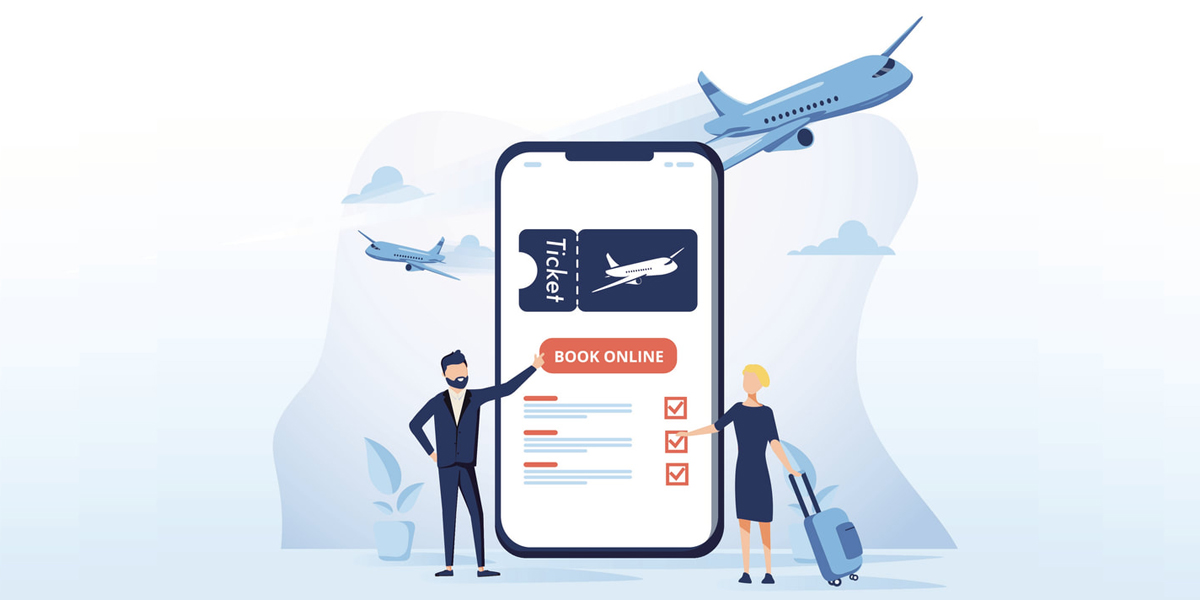
In today’s fast-paced digital world, travel has become more than just a journey—it’s an experience. Imagine having the power to plan your entire trip, book flights and hotels, and explore new destinations right from your fingertips. Travel apps have revolutionized the way people explore the world, turning ordinary trips into unforgettable adventures.
If you’ve ever dreamed of creating a travel app that transforms how people travel, now is the perfect time to turn that vision into reality. With the right strategy, innovative features, and user-focused design, your app can make a real difference in the lives of travelers everywhere. Get ready to explore the exciting world of travel app development and discover how you can bring your ideas to life.

What is Travel App Development?
Travel app development is the process of designing, building, and maintaining mobile applications specifically for the travel industry. These apps are created to help travelers plan, book, and manage their trips efficiently, offering convenience and a seamless user experience. Travel apps can serve multiple purposes, including:- Booking Flights, Hotels, and Transport: Allowing users to search for and reserve flights, hotels, buses, trains, or rental cars in real-time.
- Trip Planning and Itinerary Management: Helping travelers organize schedules, sightseeing plans, and activities in one easy-to-access place.
- Destination Guides and Local Assistance: Providing users with recommendations for restaurants, attractions, maps, and cultural tips.
- Travel Expense Tracking: Allowing travelers to manage budgets, track expenses, and convert currencies during their trips.
Discover more about our Mobile App Development solutions.
Key Features of a Successful Travel App
Creating a travel app that stands out in a crowded market requires a careful focus on features that enhance usability, convenience, and engagement. Here are the essential features every successful travel app should include:1. Real-Time Booking and Reservations
Travelers expect to search, compare, and book flights, hotels, or transportation instantly. Integrating reliable APIs ensures real-time availability, pricing, and confirmations, providing users with a seamless booking experience.2. User Profiles and Personalization
Allow users to create profiles where they can save preferences, past trips, and favorite destinations. Personalized recommendations based on user behavior improve engagement and satisfaction.3. Secure Payment Integration
A robust payment system is critical. Support multiple payment options like credit/debit cards, digital wallets, and PayPal, and ensure data security through encryption and compliance with regulations.4. Travel Itinerary Management
Provide a feature that allows users to organize their entire trip in one place—flights, accommodations, sightseeing schedules, and transportation—making planning simple and efficient.5. Push Notifications & Personalized Offers
Keep users informed with updates on flight changes, booking confirmations, deals, and exclusive offers. Personalized notifications encourage repeat usage and improve user retention.6. Offline Access
Travelers often encounter areas with limited connectivity. Offline access to maps, itineraries, and travel guides ensures uninterrupted usability, even in remote locations.7. Reviews and Ratings
Allow users to leave feedback on hotels, flights, and activities. Reviews build trust, help other users make informed decisions, and enhance the app’s credibility.8. Multi-Language Support
Catering to a global audience requires offering multiple language options, improving accessibility and usability for international travelers.9. Maps and Navigation
Integrate GPS-based maps to help users navigate new cities, find attractions, and access local recommendations easily.10. Social Sharing & Community Features
Enable travelers to share their trips, experiences, or itineraries on social media. Community features like travel forums or tips sections increase engagement and add value.Discover more about our professional Android App Development services.
Steps in Travel App Development
Developing a travel app requires careful planning, design, and execution to ensure success and deliver a seamless user experience. Here’s a detailed explanation of each step:1. Idea Validation & Market Research
Before writing a single line of code, it’s crucial to validate your app idea. This involves identifying your target audience, analyzing competitors, and researching current trends in the travel industry. The goal is to find gaps in the market and offer a unique value proposition through innovative features or a superior user experience. Conducting surveys or interviews with potential travelers can provide direct insights into their needs and pain points, ensuring your app addresses real problems.2. Wireframing & UI/UX Design
The next step is creating wireframes, which act as blueprints for the app’s layout, navigation, and screen structure. After wireframing, UI/UX design focuses on creating an intuitive, visually appealing interface that enhances usability. Simplicity, ease of navigation, and minimizing the number of steps to complete tasks are key principles. Tools like Figma, Sketch, or Adobe XD are commonly used to build interactive prototypes, allowing designers to test functionality and gather early feedback before development begins.3. Frontend and Backend Development
Once the design is finalized, development begins. Frontend development implements the app interface, ensuring smooth interaction and responsiveness, while backend development manages servers, databases, authentication, and API integration. Choosing the right technology stack is critical for app performance and scalability. Cross-platform frameworks like React Native or Flutter save time and resources, while native development using Swift (iOS) and Kotlin (Android) provides superior performance and device optimization.4. API Integrations
Travel apps rely heavily on third-party API integrations to provide real-time information and services. These include flight and hotel booking APIs (Amadeus, Skyscanner), payment gateways (Stripe, PayPal), and navigation APIs (Google Maps, Mapbox). Proper integration ensures seamless functionality and real-time updates for users. It’s essential to handle errors and failures gracefully to prevent disruptions and maintain a smooth user experience.5. Testing & Quality Assurance
Testing is a critical step to ensure a high-quality, bug-free app. Functional testing checks that all features work correctly, usability testing ensures the app is intuitive, performance testing evaluates speed and responsiveness, and security testing protects user data and financial transactions. Conducting beta testing with real users provides valuable feedback, uncovering potential issues and improving the app before the official launch.6. Launch & Maintenance
After passing all testing stages, the app is ready for launch on platforms like the App Store and Google Play. However, development doesn’t end at launch. Ongoing maintenance is essential to fix bugs, update APIs and backend infrastructure, add new features, and ensure compatibility with the latest operating systems and devices. Continuous improvements build trust and loyalty, ensuring long-term success and a positive user experience.
Technology Stack for Travel App Development
Choosing the right technology stack is crucial for performance, scalability, and maintainability.Frontend
- React Native: Cross-platform, faster development
- Flutter: Beautiful UI, single codebase
- Swift: iOS-specific, high performance
- Kotlin: Android-specific, native performance
Backend
- Node.js: Efficient for real-time data handling
- Python/Django: Rapid development, scalable
- Ruby on Rails: Quick prototyping
Database
- MySQL: Structured, relational data
- MongoDB: Flexible, scalable for unstructured data
APIs
- Travel booking APIs (Amadeus, Skyscanner)
- Payment APIs (Stripe, PayPal)
- Map APIs (Google Maps, Mapbox)
Cloud & Hosting
- AWS, Google Cloud, or Microsoft Azure for scalability, performance, and security
Discover more about our expert iOS App Development process.
Challenges in Travel App Development
Building a successful travel app comes with challenges:- Competition & App Discoverability:The market is saturated. Differentiation through unique features and superior UX is key.
- API Integration Complexity: Integrating multiple APIs (flights, hotels, payments) requires robust backend architecture.
- Real-Time Updates: Flight delays, hotel availability, and pricing changes must be accurately reflected to maintain user trust.
- Data Security: Secure user data, payment information, and comply with regulations like GDPR.
Best Practices for Travel App Success
Creating a travel app is just the first step; ensuring it thrives in a competitive market requires careful planning and execution. Here are the best practices that can help your travel app succeed:- Focus on User Experience (UX): Ensure smooth navigation, clear information, and easy task completion to retain users.
- Offer Personalization: Use user data to provide tailored recommendations and offers.
- Regular Updates: Continuously improve features, fix bugs, and stay relevant.
- Effective Marketing & ASO: Optimize app store listings and run targeted campaigns to attract users.
- Collect Feedback & Iterate: Listen to user reviews and improve the app based on insights.
- Ensure Security: Protect user data and payments to build trust.
- Optimize Performance: Keep the app fast, stable, and compatible across devices.
Discover more about the power of our API Development services.
Conclusion
Developing a travel app is an exciting opportunity to transform the way people explore the world. From idea validation and design to development, API integration, and continuous maintenance, every step is essential to create an app that is user-friendly, secure, and innovative. By focusing on key features, following best practices, and prioritizing user experience, your travel app can stand out in the competitive travel industry. If you’re looking for a reliable partner to bring your travel app idea to life, Above-Quality is a specialized company in travel app development, dedicated to creating high-quality, scalable, and engaging apps. With their expertise and commitment to excellence, your vision can become a reality, helping travelers enjoy seamless experiences while elevating your business in the digital space.FAQs:
Q1: How much does it cost to develop a travel app?
Cost varies depending on complexity, features, and platform. Simple apps may start at $15,000, while complex multi-feature apps can exceed $60,000.Q2: Which platform is best for travel app development?
Hybrid platforms like React Native or Flutter allow cross-platform development, while Swift and Kotlin are ideal for native apps.Q3: What are the must-have features for a travel app?
Real-time booking, user profiles, itinerary management, secure payments, push notifications, offline access, and reviews.Q4: How long does it take to develop a travel app?
Typically, 3–6 months depending on complexity, including planning, design, development, and testing.Q5: How can I ensure my travel app stands out?
Focus on unique features, excellent UX/UI design, personalized content, and reliable API integrations.