In the fast-paced world of digital marketing, small details can make a massive difference. One often overlooked yet powerful tool in your SEO arsenal is your URL structure. A well-crafted URL does more than just point to a webpage—it guides users, signals relevance to search engines, and builds trust for your brand.
Imagine your website as a city. Without clear street signs, visitors would get lost. Similarly, without clean and organized URLs, search engines and users struggle to navigate your site. By mastering URL structure, you’re not only optimizing your website for higher rankings but also creating a seamless, user-friendly experience that keeps visitors coming back.
Ready to take your website to the next level? Let’s dive into the complete guide to URL structure and discover how tiny changes can lead to massive SEO results.

What is URL Structure?
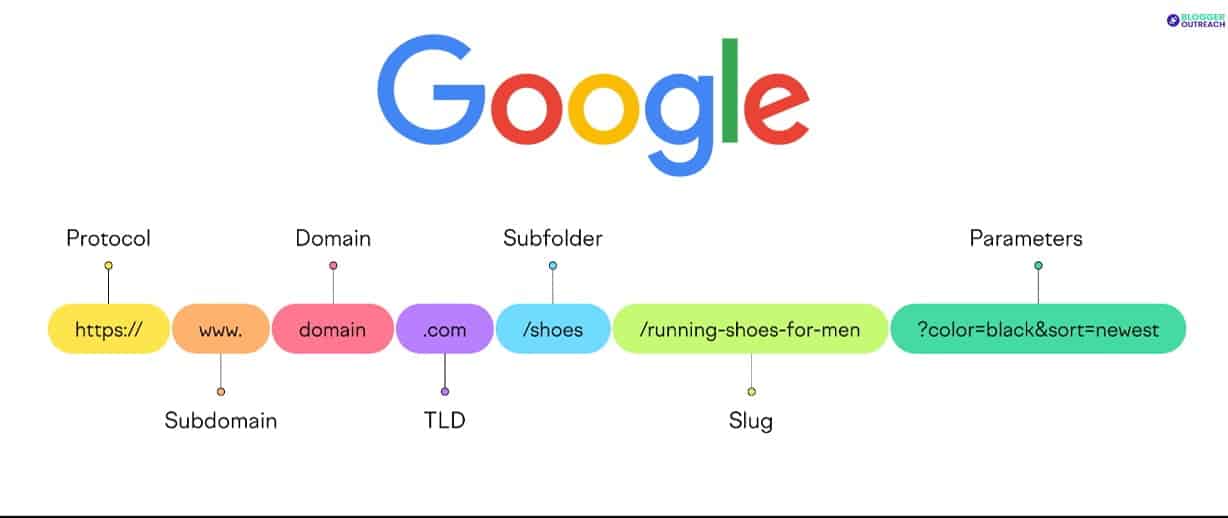
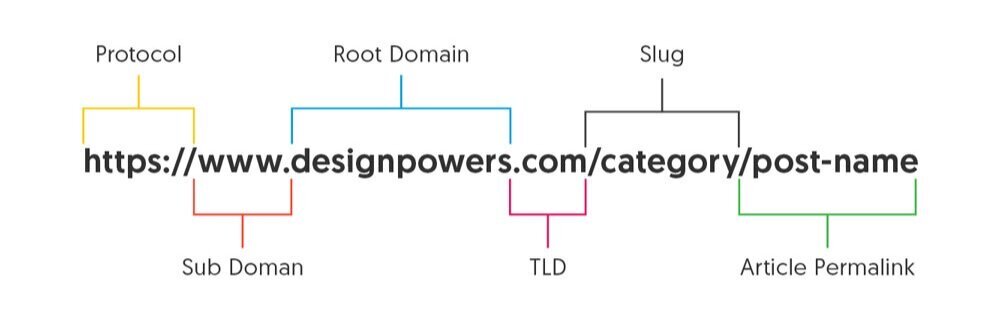
A URL (Uniform Resource Locator) is the web address that points to a specific page on the internet. In simple terms, it’s the link users type into their browser or click on to access your website content. The URL structure refers to how these web addresses are organized, formatted, and presented. A well-structured URL is not only easier for users to read and remember but also helps search engines understand the hierarchy, topic, and relevance of your pages.Components of a URL
A standard URL typically consists of the following elements:- Protocol – Indicates the communication method, usually https:// or http://.
- Domain Name – Your website’s main address (e.g., example.com).
- Path – Shows the specific location of a page on your website (e.g., /blog/seo-tips).
- Query Parameters (optional) – Used for dynamic content or tracking (e.g., ?id=123).
- Anchor (optional) – Links to a specific section of a page (e.g., #comments).
Discover more about identifying critical issues with a professional SEO Audit.
Why URL Structure Matters for SEO
The structure of your URLs plays a critical role in SEO, user experience, and site organization. Even though it may seem like a small detail, a well-optimized URL can significantly influence how your pages perform in search engines and how users interact with your site. Here’s why URL structure matters:1. Improves Search Engine Rankings
Search engines rely on URLs to understand the content and relevance of a webpage. A clean and descriptive URL with relevant keywords signals the topic of your page, making it easier for search engines to rank it for the right search queries. Example:- Good URL: /seo-tips-for-beginners ✅
- Poor URL: /page?id=23 ❌
2. Enhances User Experience
Readable URLs make it easier for users to understand what a page is about before they click. This can increase click-through rates (CTR) from search results and encourage users to share your links. Example:- User-friendly URL: /best-coffee-machines ✅
- Confusing URL: /product?id=45098&type=machine ❌
3. Reflects Site Hierarchy and Improves Crawlability
Logical URL structures reflect the organization of your website, showing the relationship between main sections and subpages. This not only helps users navigate your site but also makes it easier for search engines to crawl and index your content efficiently. Example:- /blog/seo-tips shows that the page belongs to the blog section.
- /electronics/iphone-15-pro indicates a product within the electronics category.
4. Supports Link Sharing and Backlinks
A clean and descriptive URL is easier to copy, share, and remember, which encourages more users to link back to your page. Backlinks from other websites are a strong SEO signal, and having a readable URL increases the chances that other sites will link to your content correctly. Example:- Easy to share: /seo-guide-for-beginners ✅
- Hard to share: /index.php?page=123&id=456 ❌
Discover more about improving site navigation and SEO with What is Breadcrumbs.
Key Elements of an SEO-Friendly URL
Creating URLs with SEO in mind requires attention to several key elements:1. Short and Descriptive URLs
Keep URLs concise while accurately describing the page content. Avoid unnecessary words that do not add value. Example: https://example.com/seo-tips ✅ https://example.com/seo-tips-for-improving-search-rankings-and-traffic ❌2. Include Relevant Keywords
Incorporate primary keywords naturally in the URL. This boosts relevance and improves search engine visibility. Example: https://example.com/best-seo-tools ✅3. Avoid Stop Words and Special Characters
Words like “and,” “the,” “of,” and symbols like &, %, or ? should be avoided for simplicity. Example: https://example.com/seo-guide ✅ https://example.com/the-ultimate-guide-to-seo ❌4. Use Hyphens Instead of Underscores
Google interprets hyphens (-) as word separators, while underscores (_) are not as effective. Example: https://example.com/seo-tips ✅ https://example.com/seo_tips ❌Discover more about fixing errors that hurt user experience and ranking by addressing Broken Links.
Best Practices for Creating URLs
Creating URLs that are both user-friendly and SEO-friendly is crucial for maximizing your website’s performance. A well-structured URL improves search engine rankings, enhances usability, and ensures your site is easy to navigate and share. Here are the best practices you should follow when creating URLs:1. Keep URLs Short and Descriptive
Short URLs are easier for both users and search engines to understand. They convey the page topic clearly without overwhelming the reader. A concise URL reduces the risk of errors when copying or sharing links and improves click-through rates. For example, /seo-tips immediately tells users what to expect, while a lengthy URL like /seo-tips-for-improving-search-rankings-and-increasing-website-traffic can be confusing and hard to remember. Short and descriptive URLs also look cleaner in search results and social media posts, enhancing credibility and user trust.2. Include Relevant Keywords
Incorporating relevant keywords into your URL helps search engines determine the page’s topic and relevance to user queries. It also makes the URL more descriptive for users. For instance, /best-seo-tools clearly communicates that the page lists SEO tools. However, it’s important to avoid keyword stuffing, which can appear spammy. Using one or two focused keywords naturally in the URL strikes the right balance between optimization and readability.3. Use Hyphens Instead of Underscores
Google treats hyphens (-) as word separators, which makes URLs easier to read and understand. Underscores (_) are not treated as separators and may be ignored, reducing clarity. For example, /seo-tips is preferred over /seo_tips. Using hyphens also improves the user experience, as people can quickly identify individual words in the URL. This small change can significantly affect both SEO and readability.4. Use Lowercase Letters
Consistency in lowercase letters helps avoid duplicate content issues. Some servers treat uppercase and lowercase URLs as different pages, which can split your SEO value and cause confusion. For example, /seo-guide and /SEO-Guide could be indexed separately by search engines, potentially harming your rankings. Using lowercase letters ensures uniformity and prevents errors when sharing or typing URLs.5. Avoid Special Characters and Stop Words
Special characters like &, %, ?, and unnecessary words such as “and,” “the,” or “of” make URLs harder to read and less user-friendly. Clean URLs are easier to remember, share, and type. For instance, /seo-guide is clear and readable, while /the-ultimate-seo-guide&tips looks messy and confusing. Keeping URLs free from special characters and stop words also improves crawling efficiency for search engines.6. Maintain Consistency Across Your Site
A consistent URL structure across your website creates a predictable pattern for both users and search engines. It helps search engines understand the hierarchy and relationships between pages. For example, having all blog posts follow /blog/seo-tips, /blog/content-marketing, /blog/keyword-research ensures a logical organization. Consistency also improves usability, as users can easily navigate your site and anticipate URL patterns.7. Avoid Changing URLs Frequently
Frequent changes to URLs can break links, cause 404 errors, and negatively impact SEO. If a URL must be changed, a proper 301 redirect should be implemented to preserve link equity and maintain user access. Maintaining stable URLs ensures that both search engines and users can rely on your website structure, protecting your rankings and traffic over time.8. Use HTTPS
Using HTTPS (secure protocol) is essential for SEO and user trust. Google considers HTTPS a ranking factor, and secure URLs protect user data from interception. A secure URL like https://example.com/seo-guide signals reliability, while an insecure URL (http://example.com/seo-guide) may discourage users from visiting your site. HTTPS is also increasingly required for modern browsers to avoid security warnings.9. Use Canonical URLs for Duplicate Content
If multiple URLs point to the same content, canonical tags indicate the preferred version to search engines. This prevents duplicate content issues, consolidates SEO value, and ensures your content ranks appropriately. For example, both /seo-guide and /seo-guide?ref=newsletter could be consolidated under the canonical URL /seo-guide, preserving ranking authority and avoiding confusion.10. Make URLs Readable for Humans
A human-readable URL is intuitive and easily understood at a glance. Users should immediately know what the page is about without reading the content. For example, /seo-tips-for-beginners clearly communicates the page topic, whereas /page?id=4598&type=blog is cryptic and uninviting. Readable URLs improve user trust, encourage clicks, and are more likely to be shared or linked to.Discover more about controlling search engine crawlers with a proper Robots.txt File.
Tools for Optimizing URLs
Optimizing your URL structure is easier and more effective when you use the right tools. These tools help you identify issues, monitor performance, and implement SEO-friendly URLs across your website. Here are some of the best tools for URL optimization:- Google Search Console: Monitor URL performance, crawl errors, and indexing issues.
- Screaming Frog SEO Spider: Crawl your site to find broken links, long URLs, or duplicate content.
- SEMrush: Audit your URL structure, analyze competitors, and track keyword performance.
- Ahrefs: Identify underperforming URLs and check backlinks and keyword relevance.
- Yoast SEO (WordPress): Edit slugs, manage redirects, and create SEO-friendly URLs.
- URL Shorteners (Bitly, TinyURL): Make long URLs shareable for marketing campaigns.
Conclusion
A well-structured URL is more than just a web address—it’s a key element of SEO, user experience, and website credibility. By keeping URLs short, descriptive, keyword-rich, and consistent, you can improve search engine rankings, make your site easier to navigate, and encourage users to share your content. Avoid common mistakes like long URLs, special characters, and frequent changes, and use tools to monitor and optimize your URL structure regularly. For businesses looking to maximize their online presence, partnering with a professional digital marketing company can make a significant difference. Above-Quality, a leading marketing agency, specializes in creating SEO-optimized strategies, including effective URL structures, to help your website rank higher and attract more traffic. Invest in clean, SEO-friendly URLs today, and watch your website’s visibility and user engagement grow with the right guidance from experts like Above-Quality.